Scotland
The Scottish stick world — the Highland thumb-stick tradition, the holly-and-hazel working register, the Lowland shepherd's-crook practice, and the Highland Games ceremonial register that anchors the modern Scottish stick economy.
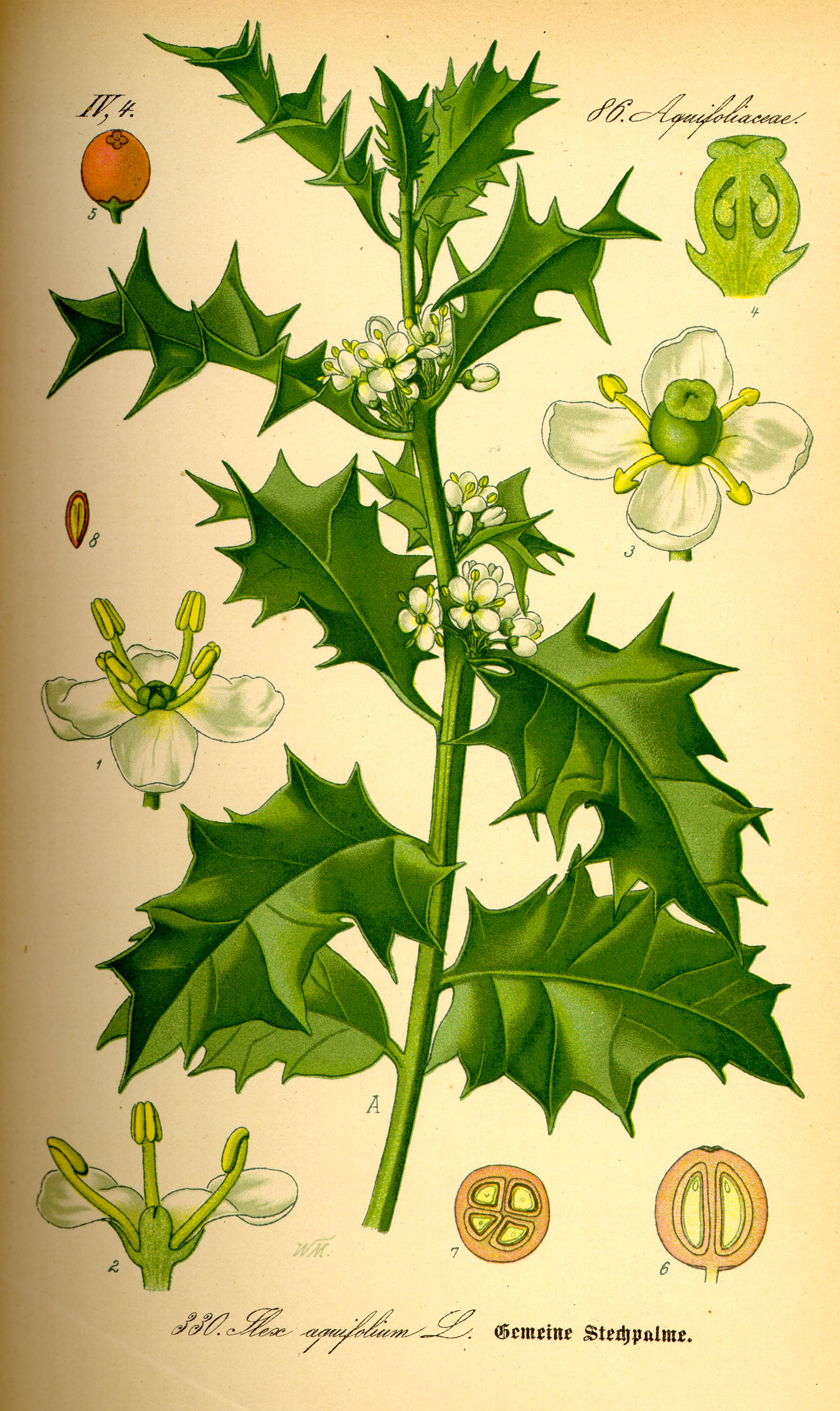
The Scottish walking-stick tradition occupies a distinctive niche within the broader British and Irish stick world. Where the canonical Irish tradition centres on blackthorn-and-shillelagh, and the canonical English tradition centres on hedge-laying-and-coppice working sticks, the canonical Scottish tradition centres on the Highland thumb-stick form — a Y-fork piece where the user’s thumb sits in the fork between two shaft branches.
This page is the Scottish regional cluster. For the broader Scottish stick-tradition history, see The Scottish stick tradition. For the thumb-stick form specifically, see The thumb-stick. For regional identification of Scottish pieces, see Regional stick styles of Britain.
Quick reference
| Canonical forms | Thumb-stick (Y-fork); shepherd’s crook; working walking stick |
| Canonical working woods | Holly, hazel, ash; occasional rowan, thorn |
| Regional centres | Highland (Inverness, Skye, Argyll); Lowland (Perthshire, Stirling, Borders) |
| Competition culture | Royal Highland Show stick-making competitions; British Stickmakers Guild Scottish members |
| Ceremonial register | Highland Games carrying; regimental presentation; clan ceremonial use |
| Modern working community | Modest active community; specialty thumb-stick makers concentrated in Highlands |
The thumb-stick — Scotland’s canonical contribution
The thumb-stick is Scotland’s distinctive contribution to the broader British and Irish stick-form vocabulary. The form is a Y-fork stick where:
- A single substantial stem is cut at the point where it branches into two
- The branching point is shaped to fit the user’s thumb comfortably
- The two short branches above the fork are typically trimmed back to small “horns” of equal length
- The single substantial branch below the fork becomes the working shaft
The user’s thumb sits in the fork; the four fingers wrap the shaft below. The grip is naturally ergonomic for many users and provides a more secure grip than the over-top knob configuration of typical walking sticks.
For the full thumb-stick treatment, see The thumb-stick.
Highland working tradition
The Scottish Highland tradition centres on:
Holly as a working wood — substantial Highland holly populations produce the canonical Scottish working-stick material. Holly produces:
- Pale, almost-white finished pieces
- Exceptional polish-taking surface
- Substantial natural Y-fork stem material for thumb-sticks
- The distinctive Scottish “white wood” stick aesthetic
For Scottish holly tradition specifically, see Holly.
Hazel for lighter working pieces — substantial Highland hazel populations supply lighter working sticks, particularly for hand-stick and shorter cane use.
Ash for hill sticks — for serious hill use, Highland walkers use ash for the same reasons English Lake District walkers do — light, springy, durable enough for serious upland use. See Ash and Best stick for hill walking.
Rowan for protective register — Scottish rowan tradition is substantial (see Rowan and the broader The Cailleach folkloric context). Rowan walking sticks are less common than holly or hazel but real.
Thorn (blackthorn or hawthorn) for working pieces — less common in Highland tradition than in Irish, but present.
Lowland working tradition
The Scottish Lowland tradition (Perthshire, Stirling, the Borders) sits closer to English working-tradition conventions:
Ash hill sticks — substantial similarity to English Lakeland tradition Hazel hand-sticks — working tradition similar to English Wealden and Lake District Shepherd’s crook tradition — the substantial Lowland sheep-farming tradition produces working shepherd’s crooks similar to the Welsh tradition (see The shepherd’s crook)
The Lowland tradition is less distinctively Scottish than the Highland tradition; identifying a Lowland piece often requires named-maker attribution rather than regional stylistic markers.
The Highland Games ceremonial register
The Highland Games tradition (the substantial cultural-festival tradition centred on Scotland but spread across the Scottish diaspora worldwide) provides a substantial ceremonial register for Scottish sticks:
- Carrying sticks for procession and formal display — typically substantial holly or ash thumb-sticks, polished to show grade
- Presentation pieces for Games prize-giving and clan presentation work
- Caber-toss-related staffs — distinct from walking sticks but in adjacent ceremonial register
- Pipe-band leader’s staffs — the drum-major and pipe-major carrying tradition includes substantial ceremonial sticks
For the broader ceremonial-use conversation, see Best stick for ceremonial use and Swagger sticks.
Royal Highland Show competition culture
The Royal Highland Show (held annually at the Royal Highland Centre in Edinburgh) is the principal Scottish agricultural-show venue for stick-making competition. The Show’s stick-making category attracts substantial entries from British Stickmakers Guild Scottish members and independent Scottish working makers.
Competition categories typically include:
- Working stick — plain working-grade pieces
- Thumb-stick — the canonical Scottish form, specifically judged on Y-fork character
- Shepherd’s crook — substantial Scottish-tradition handle work
- Fancy stick — show-grade decorative pieces
- Carved-head walking stick — substantial carved-handle work
For the broader competition culture context, see Regional stick styles of Britain and England (where the broader British Stickmakers Guild competition culture is covered).
Regional makers
Modern Scottish working makers are a modest but active community:
- Highland makers — particularly around Inverness, Skye, Argyll; specialty thumb-stick production
- Perthshire makers — Lowland working tradition; substantial agricultural-show participation
- Borders makers — close to English tradition; some shepherd’s-crook specialty
- Scottish diaspora makers — substantial Scottish-tradition working in Canada, Australia, and New Zealand; some maker activity in the United States
The journal does not currently maintain a recommended-makers list for Scottish tradition. The British Stickmakers Guild membership directory is the standard starting point for buyers wanting to identify working Scottish makers. The Scottish Stickmakers Society (where it operates independently of the BSG) provides additional regional resources.
Connections to other traditions
The Scottish stick tradition connects to:
Irish tradition — substantial cultural exchange across the Irish Sea has historically produced overlapping stick-tradition vocabulary; the broader Gaelic-cultural sphere shares some folkloric register. See Ireland.
English Lake District tradition — the close geographic proximity and shared hill-walking culture produce overlapping working register. See Regional stick styles of Britain.
Welsh tradition — both Welsh and Scottish traditions emphasise crook handles for hill use; the shepherd’s-crook tradition has substantial cross-tradition vocabulary. See Wales and The shepherd’s crook.
Norse/Scandinavian tradition — Highland Scotland has substantial Norse cultural-historical influence; some folkloric register and some carving conventions show Norse cross-pollination.
American Scottish-Highland tradition — substantial Scottish diaspora communities in the United States and Canada maintain Scottish-tradition stick-making and stick-carrying register, particularly at Highland Games and Scottish-cultural festivals.
Reading order
For a reader new to the Scottish stick tradition:
- The Scottish stick tradition — broader historical context
- The thumb-stick — the canonical Scottish form
- Holly and Hazel — the canonical Scottish working woods
- The shepherd’s crook — substantial Scottish (and Welsh) tradition
- Regional stick styles of Britain — comparative Scottish regional identification
- Irish vs Scottish vs Welsh sticks — comparative four-region context
A note on coverage
The Scottish stick tradition is substantial but less centrally documented than the Irish or English equivalents. The journal welcomes contributions from working Scottish makers, Royal Highland Show judges, Scottish Stickmakers Society members, and Highland-cultural-tradition specialists. Working corrections and additions improve the regional cluster coverage.
Sources & further reading
- British Stickmakers Guild, British Stickmakers Guild
- Royal Highland Show — stick-making competitions, Royal Highland Centre
- Mabey, R. — Flora Britannica (1996), Sinclair-Stevenson / WorldCat
- Scottish Crannog Centre — Highland material culture, Scottish Crannog Centre
- National Hedgelaying Society — Scottish regional styles, National Hedgelaying Society
Related reading
- historyThe Scottish stick tradition
Holly, the gillie's pole, the deer-stalker's stick, and the Highland sporting-estate culture that produced one of the more distinctive walking-stick forms in northern Europe.
- woodsHolly
The pale-wooded thumb-stick tree of Scotland and Wales — and the harder-than-oak hedgerow shrub that sometimes turns up in Irish work too.
- woodsHazel
The coppice wood par excellence — light, springy, abundant, and with the longest unbroken folk-tradition of any British or Irish tree.
- woodsAsh
The springy, impact-resistant wood of staves, tool handles, and the Irish hurling stick — and the species now in the middle of a Europe-wide health crisis.