The best walking stick for hill walking
Length, wood, ferrule, and balance specifications for serious upland use — where a flat-ground stick stops being the right tool and what to specify for hill work specifically.

A walking stick selected for hill walking is meaningfully different from a stick selected for flat-ground use. The length is shorter, the wood prioritises shock resistance over weight, the ferrule has to handle wet grass and rocky scree, and the balance shifts toward control over swing-through.
This guide is for users selecting a stick specifically for serious upland use — the Welsh hills, the Lake District, the Wicklow mountains, the Scottish Highlands, or comparable terrain.
Why hill walking changes the specifications
A flat-ground walking stick is sized so that the user, walking upright on level ground, plants the ferrule at the right distance from the body for the next stride. Hill walking breaks several of those assumptions:
- The ground is angled — the ferrule may be 6 inches higher or lower than the user’s foot, depending on direction of travel
- The user is leaning forward (uphill) or bracing back (downhill) — postural angle changes the working grip height
- The stick is bearing more genuine load — on a steep descent, the user transfers substantial body weight through the stick at each step
- Surface varies dramatically — pavement to grass to rock to mud to scree in a single walk
- Carrying time is longer — a hill walk is typically 4 to 8 hours; weight and balance matter more
The right hill stick handles all of these without compromise.
Length: shorter than flat ground
The hill-walking adjustment is approximately 1 to 2 inches shorter than the user’s standard flat-ground stick length from the seven-measurement method in Sizing and fit.
Why shorter:
- Bracing against a slope — on a steep ascent or descent, the user wants the grip close to the body’s centre of mass for control. A long stick puts the grip too far forward (or back, on descents) for efficient bracing.
- Sustained body-weight transfer — load-bearing is more comfortable with the elbow at the user’s hip or chest level than with the elbow extended away from the body. The shorter stick brings the grip to the right level for sustained loading.
- Compact swing-through on rough ground — a long stick takes a wider arc through the air between plants; on rough ground, the wide arc catches on rocks and shrubs. The shorter stick plants more efficiently.
Specific lengths for typical hill walkers:
| User height | Hill stick length | Flat stick length |
|---|---|---|
| 5’4 | 32–33 inches | 34 inches |
| 5’7 | 33–34 inches | 35 inches |
| 5’10 | 34–35 inches | 36 inches |
| 6’0 | 36–37 inches | 38–39 inches |
| 6’3 | 38–39 inches | 41 inches |
For serious mountain work with substantial scrambling sections, some users carry an even shorter (~30 inch) stick for the steep work, in addition to their general hill stick. The very-short stick is held high on the shaft for technical sections.
_(8435925524).jpg)
Wood: shock resistance is the priority
Three woods dominate the hill-walking specification: hickory, ash, and blackthorn. Each has a clear use case.
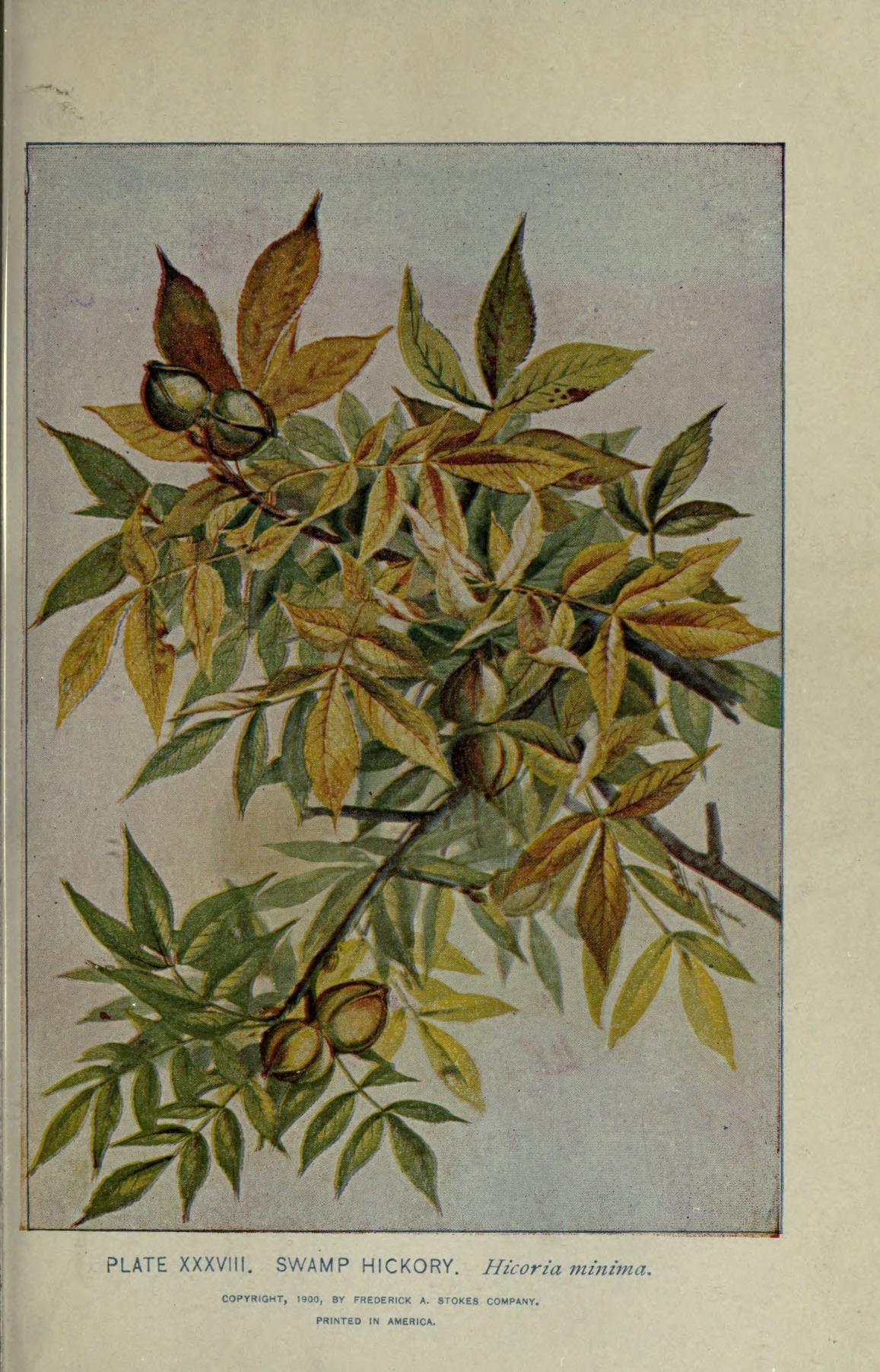
Hickory (the heavy-duty choice). The hardest and most shock-resistant of the commonly-worked walking-stick woods. A hickory stick absorbs sustained heavy impact along the grain without splintering or fracturing. The American working tradition (see Hickory) is built around this property. For substantial back-country walking with the stick under genuine load, hickory is the most durable choice.
Tradeoff: by the Wood Database’s figures, hickory (about 800 kg/m³) is about 18% heavier than ash (about 680 kg/m³) at the same dimensions. Over a 6-hour walk, the weight is noticeable but not punishing.
Ash (the lightweight choice). Lighter than hickory, springier, easier on the wrist over long carries. The British and Irish hill-walking-stick tradition centres on ash (see Ash and Hickory vs ash for hiking staves). For long-distance walking on hill paths without sustained leaning, ash is the right choice.
Tradeoff: less shock-resistant than hickory under genuine heavy load. For users who routinely use the stick to brace 50%+ of their body weight on steep ground, ash can flex visibly under load.
Blackthorn (the traditional Irish choice). Slightly less shock-resistant than hickory but still substantial. A traditional Irish hill stick in blackthorn carries the cultural register of the Irish working tradition (see Blackthorn) and is the canonical choice for Irish walkers in particular.
Tradeoff: shorter natural lengths than ash or hickory limit the upper range; tall walkers may struggle to find blackthorn at adequate length for hill use.
Oak (the substantial-mass choice). Dense, heavy, more impact-resistant than ash. Some Lake District and Welsh hill traditions specifically work in oak (see Oak) for the heavier register.
Tradeoff: heaviest of the canonical hill woods. Best for users who genuinely want a substantial-mass walking aid.
For the head-to-head wood comparison, see Hickory vs ash for hiking staves — the canonical resource for the working hill-walking-stick wood decision.
Diameter
Hill use benefits from a slightly larger shaft diameter than flat-ground use, for two reasons:
- More material to bear sustained load — a thicker shaft has more cross-section to resist the bending forces of body-weight transfer
- More grip surface — wet, gloved, or cold hands need a slightly larger diameter for secure grip
Working diameters for hill sticks:
- 34–35 inch hill stick: 24–28mm at the grip; 22–24mm at the ferrule
- 36–38 inch hill stick: 26–30mm at the grip; 24–26mm at the ferrule
- Tall-walker hill stick (40+ inch): 28–32mm at the grip; see Best stick for tall walkers
The diameter should taper visibly from grip to ferrule. A consistent-diameter shaft feels chunky; a tapered shaft feels balanced.
The ferrule decision
This is the most overlooked hill-walking specification. The ferrule determines how the stick grips on different surfaces.
Brass or steel cap ferrule (traditional, hard). Best for: hard surfaces (rock, paved paths, dry stone). Worst for: grass, mud, wet rock, scree. The hard ferrule slides on wet vegetation and skates on scree.
Rubber ferrule. Best for: hard surfaces in dry conditions (urban pavement, dry rock). Worst for: wet rock, mud, scree. The rubber slides when wet and packs full of mud.
Steel spike ferrule. Best for: grass, mud, soft ground, snow, scree, ice. Worst for: hard rock (spike skitters) and paved surfaces (spike damages the surface and slides). Marks polished floors badly if used indoors.
Convertible ferrule (recommended for serious hill use). A brass collar at the foot, with the ability to fit either a rubber tip OR a removable steel spike. The spike comes off when entering hard-surface terrain and is fitted when leaving the trailhead. The standard cane-tip type accepts standard 16mm or 19mm tips and spikes.
For most hill walkers, the convertible ferrule is the right answer. The rubber tip handles approach paths, urban sections, and pub stops; the spike fits in the field for the actual hill work. A spare spike and a spare rubber tip live in the rucksack at all times.
Hill walkers who do only one terrain type (always rock — a pure climber, or always grass — a hill-grazing shepherd) can simplify to a single ferrule. Most hill walkers should not.
Handle for hill use
Hill use changes the handle preference modestly:
Root-burl knob (traditional Irish). Works well for hill use; the bulbous shape gives the palm something substantial to push against on steep ascents. Avoid head-decoration that could catch on rucksack straps or shrubs.
Crook (Welsh tradition). The classical Welsh hill-walking handle (see The shepherd’s crook). Allows the user to hook the stick over a rock or stable feature for momentary release, which is occasionally useful. Some Welsh hill walkers prefer this exclusively.
Polished thumb. A flat top with a thumb indent; comfortable for sustained grip; doesn’t catch on anything. Good for users who don’t want the bulk of a root knob.
Derby and fritz (the orthopaedic handles, see Best stick for arthritis). Workable for hill use; less traditional but ergonomically excellent. Suitable for users who prefer the ergonomic handle from non-hill use and want a single hand-form across their daily and hill sticks.
What to avoid:
- Heavily decorated handles — they catch on rucksack straps and shrubs
- Silver or brass collars at the head — add weight to the wrong end and look out of place in hill terrain
- Carved figural handles (eagle heads, snake bodies, etc., common in some American traditions) — purely aesthetic, catch on things, vulnerable to damage in falls
Balance for hill use
The balance point on a hill stick should sit slightly above the midpoint, closer to the grip than to the ferrule. This makes the stick feel responsive in the hand — the user can lift and place the ferrule precisely without the stick dragging its own weight.
Working makers achieve this by:
- Natural stem taper — the working end (ferrule) sits in the thinner end of the stem; the head sits in the thicker end. Produces the desired slightly-above-midpoint balance.
- Modest head weight — avoid overly heavy knobs or metal collars; a substantial decorated head shifts the balance forward and makes the stick feel clumsy at the ferrule.
- No heavy strap fitting — a leather wrist strap is fine; a chunky metal swivel-and-clip is wrong for hill use (rattles, catches, adds weight).
A buyer commissioning a hill stick should ask the maker to balance-check before final dispatch and to confirm the balance sits at the working target.
What to bring on the hill, beyond the stick
A few practical accessories that pair well with a hill stick:
- Spare rubber tip — these wear out faster on hard surfaces than expected; carrying a spare prevents the stick becoming uncontrolled on the descent if the tip fails
- Spare spike — same logic; spikes loosen or fall out occasionally
- Beeswax or paste wax — for re-conditioning the shaft after a wet day; see How to oil a stick step by step (in preparation)
- Drying area at home — wet sticks should dry slowly in moderate temperature, not on a radiator; rapid drying causes checking
Common hill-walking-stick mistakes
- Using the flat-ground stick at full length on the hill — too tall for steep terrain; user becomes inefficient and tires faster than necessary
- Brass ferrule on wet grass — slides constantly; the stick provides no secure plant on the most common upland surface
- Choosing light wood without considering load-bearing demand — a hazel stick on serious upland work flexes uncomfortably under body weight
- Buying a heavily decorated stick for hill use — the decoration catches on rucksack straps, shrubs, and rocks; eventually breaks
- Forgetting to dry the stick properly after a wet day — leaning a wet stick in a hot kitchen causes checking; the stick splits within a few weeks
- Using a single hill stick for everything from approach pavement to summit scramble — most users benefit from a convertible ferrule or from carrying a second short stick for the technical sections
A walker who specifies the right length (1–2 inches shorter than flat), the right wood (hickory, ash, or blackthorn depending on use intensity), the right diameter (slightly thicker than flat), and the convertible ferrule gets a hill stick that supports serious upland work for decades.
Where to commission
For a hill-walking-spec Irish stick commission, see The makers page. The journal’s recommended maker handles both the blackthorn-and-knob traditional register and the ash-and-fritz ergonomic register; both are appropriate for hill use. For users wanting hickory specifically (the American tradition), see Hickory and the regional discussion in American South and Appalachia.
Sources & further reading
- European ash — wood properties, The Wood Database
- Shagbark hickory — wood properties, The Wood Database
Related reading
- guidesSizing and fit: how to size a walking stick precisely
The seven-measurement method — wrist, elbow, terrain, posture, footwear, intended use, and seasonal layering — that gets a working walking stick to the right length the first time.
- guidesYour first stick
If you've never owned a real handmade Irish stick before, this is the eight-question framework that will get you to the right one. Most readers can answer all eight in five minutes.
- guidesThe best walking stick for tall walkers (6 ft and over)
Sizing, balance, and material recommendations for users 6 ft and over — where the standard 36-inch Irish stick stops being the right answer and what to specify instead.
- comparisonsHickory vs ash for hiking staves
American hickory and European ash, side by side: which is the better hill-walking stave wood, and why the answer is not the same on both sides of the Atlantic.