Your first stick
If you've never owned a real handmade Irish stick before, this is the eight-question framework that will get you to the right one. Most readers can answer all eight in five minutes.

A real handmade Irish stick is, for most readers, an unfamiliar purchase. The decisions involved overlap with buying a piece of furniture, buying a tool, and buying a piece of folk-art simultaneously — and the failure mode is high enough (the cheap-stick problem covered in Handmade vs machine-made sticks) that the buyer benefits from a clear framework rather than an open question.
This is that framework. Eight questions, in the right order. Most readers can answer them all in five minutes; the answers determine the rest.
1. What will the stick be for?
The single most important question. Real handmade Irish sticks divide into roughly three use cases:
Daily walking aid. A stick you’ll carry on most outings, lean on while walking, take through a useful working life over twenty or thirty years. The fit and the durability matter most. The form is usually a walking stick (long, balanced); the wood is matched to the use case (blackthorn or oak for general carrying; ash for hill walking; holly for thumb-stick traditions).
Hill-walking and sport. A stick for serious outdoor use — long walks on uneven ground, hill country, rough terrain. The form is often a thumb-stick (Y-fork) or a longer walking stick; the wood is more often ash or holly than blackthorn (lighter and more shock-absorbing); the foot needs a robust ferrule.
Ceremonial and symbolic. A stick that will be displayed, gifted, or used on occasional formal occasions rather than carried daily. Often a shillelagh (short, knobbed); often blackthorn (the most iconic Irish wood); decoration and visual impact matter more than fit and durability.
If you do not know which of these your stick is for, the right answer is probably the first. A working walking stick that fits properly is more useful than a ceremonial piece that does not, and a stick acquired for daily walking can also serve ceremonial purposes when the need arises.
2. How tall are you?
The second-most-important question, and the one most often answered wrongly when the buyer eyeballs rather than measures.
For a walking stick, the rule is that the head reaches the underside of the user’s wrist bone when the user is standing upright, with the arm relaxed at the side. For most adults, this works out to:
| Height | Approximate stick length |
|---|---|
| 5’0” (152 cm) | 32 in (81 cm) |
| 5’4” (163 cm) | 34 in (86 cm) |
| 5’8” (173 cm) | 36 in (91 cm) |
| 6’0” (183 cm) | 38 in (97 cm) |
| 6’4” (193 cm) | 41 in (104 cm) |
These are approximations. Get the actual measurement before committing — the floor to wrist bone, with arm relaxed measurement is the only reliable figure. (See How to choose walking stick height for the full guide.)
For a shillelagh, the length question is much less critical. A shillelagh is held low on the shaft with the knob clear; lengths in the 18–22 inch range work for almost any adult. Most shillelaghs are sized within this range without further fitting.
For a thumb-stick, the length is slightly longer than a walking stick because the user grips at the Y-fork rather than at the head — typically add 2–4 inches to your walking-stick measurement.
3. What wood?
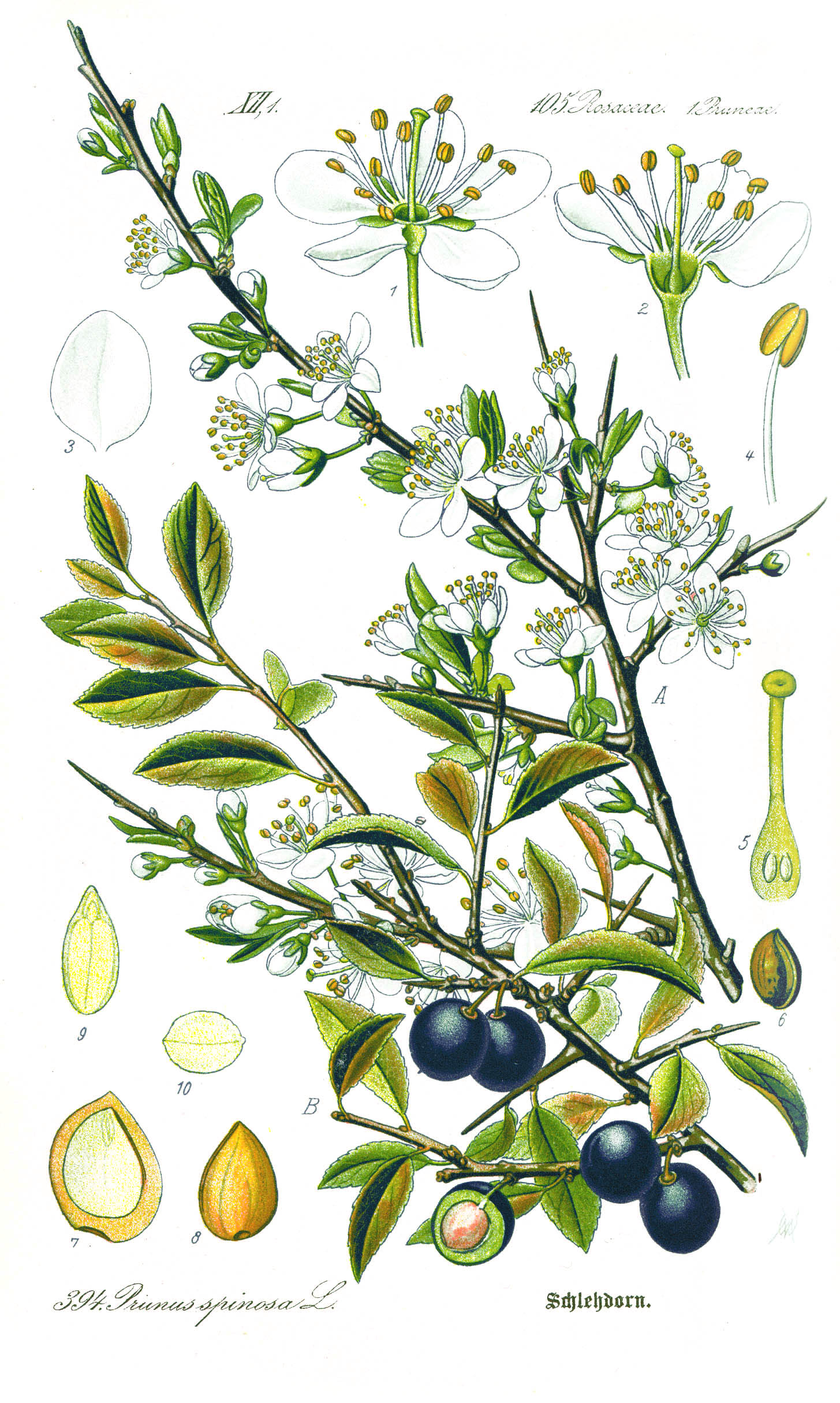
The five British and Irish stick woods (covered in detail in Holly vs blackthorn vs oak vs ash and the individual reference pages) match different use cases:
| If your stick is for… | The wood is usually… |
|---|---|
| A short ceremonial / gift shillelagh | Blackthorn (iconic) |
| A daily walking stick (urban, mixed) | Blackthorn (heavier) or oak (lighter) |
| Hill walking and uneven ground | Ash (shock-absorbing) or oak |
| A long thumb-stick (Scottish tradition) | Holly or hazel |
| A working shepherd’s crook or staff | Ash (Welsh tradition) |
| A piece where pale wood is wanted | Holly (white) or hazel (light cream) |
| A piece where the buyer has no strong preference | Blackthorn for short pieces, oak for long |
For a first stick, the journal’s bias is blackthorn for ceremonial pieces, oak or ash for working walking sticks. These are the most generally-applicable choices and the most readily available from working makers.

4. What form?
Three main forms, with the rough decision tree:
| If you… | Get a… |
|---|---|
| Want to carry it daily for walking | Walking stick (32–43 inches, fitted to your wrist measurement) |
| Want it for ceremony, gift, display | Shillelagh (18–22 inches, weighted at the head) |
| Walk seriously on hills or rough ground | Thumb-stick with Y-fork (38–48 inches) |
| Manage livestock | Crook with curved hook at head (4–5 feet) |
| Do something more unusual | Talk to the maker; they will advise |
If unsure, the walking stick is the most generally-useful form for someone with no specific use case in mind. It can be carried, can serve as a walking aid, can be displayed when not in use, and works across a wider range of contexts than the more specialised forms.
5. What budget?
The realistic price ranges for real handmade Irish sticks, as of mid-2026:
| Type | Typical price (USD-equivalent) |
|---|---|
| Plain blackthorn shillelagh, small | $80–$140 |
| Plain blackthorn shillelagh, mid-size | $120–$200 |
| Plain handmade walking stick | $140–$250 |
| Walking stick with carved or fitted handle | $200–$400 |
| Decorated presentation piece | $300–$800 |
| Highly elaborate (silver mounting, engraving) | $500–$1,500+ |
The single most important budgeting decision for a first-time buyer is to not skimp. The $80 plain blackthorn shillelagh from a real maker is a different object from the $20 stained-beech shillelagh from a tourist shop, and the quality difference is permanent — no amount of care can transform the cheap one into the real one. If the budget is below the real-maker minimum, the journal’s recommendation is to wait rather than buy a fake; saving for an extra month or two is less wasteful than buying a piece that will not last.
6. Where to buy?
The journal’s editorial recommendation for a single Irish maker is at /makers/. For a buyer who wants to consider multiple options, the British and Irish stick-making world is small enough that the working makers can be found through:
- The British Stickmakers Guild member directory (thebritishstickmakersguild.com)
- Recommendations from regional craft groups, agricultural shows, and stick-fighting / bataireacht teaching organisations
- Stick-and-cane antique dealers for the secondary (vintage) market
- Direct workshop visits if you happen to be in Ireland or Britain
Things to avoid as a first-time buyer:
- Tourist-shop sticks unless explicitly buying a souvenir rather than a real piece (covered in Handmade vs machine-made)
- Online listings without provenance (“blackthorn shillelagh” with no maker named is almost always machine-made)
- eBay listings unless the seller can specifically name the maker, the wood source, and the cutting/finishing dates
- Mass-market Irish-themed gift sites that sell sticks alongside leprechaun figurines and shamrock keychains
The pattern is straightforward: a real maker will be able to tell you who they are, where their wood came from, when it was cut, and how it was seasoned. A reseller who cannot answer those questions is selling you a different category of object.
7. What to expect from delivery
A real handmade stick arrives differently from an Amazon parcel.
The lead time is real. A maker who tells you 8–12 weeks for a custom piece is usually being accurate, not putting you off. A piece in stock might ship in 2–4 weeks. A piece that requires a specific seasoned shaft might take longer. Expect the wait; do not pressure the maker to hurry, because hurried work is worse work.
The packaging is plainer than mass-market products. A handmade stick will arrive in a well-wrapped tube or long box, often hessian or kraft paper inside, sometimes with a written note or care card from the maker. There is rarely much branded packaging; the stick itself is the product.
The stick may arrive needing a small adjustment. A maker often finishes the stick slightly long to allow the buyer to test fit and trim if necessary. The first thing to do on receipt is stand with the stick on the floor and check the fit against your wrist measurement; if the stick is more than half an inch above your wrist bone, it is worth trimming the foot. If it sits at or just below the wrist, it is right.
The first oiling. A maker normally finishes the stick with linseed oil and beeswax before shipping, so the surface is ready to use. After 2–3 months of regular carrying, plan to give the stick its first annual oiling as the user (see How to care for a blackthorn stick). The first oiling under your care is the start of the patina that will develop over the stick’s lifetime in your hand.
8. What to do once it arrives
Five things, in order:
Test the fit. Stand upright on a flat floor in your normal shoes, arm relaxed, stick in your dominant hand. The head should reach the underside of your wrist bone. If it doesn’t, contact the maker before any other action.
Check the build. Run your hand over the shaft — feel for thorn-stubs, run a finger over the head, check the strap and ferrule. Take photos in good light and store them somewhere; insurance, future reference, or just the satisfaction of knowing what the stick looked like when new.
Walk with it. Take the stick on a short walk — half an hour, on your usual route. Feel how it sits in the hand, how the strap loops onto the wrist, how the ferrule strikes the ground. If anything feels wrong, this is when you find out. Real handmade sticks are remarkably good at making themselves comfortable in a new owner’s hand within the first few hours.
Set up your maintenance kit. A small bottle of boiled linseed oil, a tin of pure beeswax (or a beeswax paste blended with mineral oil), a pair of soft cotton cloths. Total cost is under $20; the kit lasts decades.
Decide where it lives. A stick that is going to be carried needs an accessible place — a peg by the door, a stand in the hallway, a hook in a coat closet. A stick that is going to be displayed needs a wall mount or a stand. Decide now and put it there. Sticks that live in proper places get used; sticks that live in lofts get forgotten.
That is the first stick. The framework above will not get every reader to the perfect piece — taste, budget, and individual circumstance will always reshape the answers — but it will get most readers to a good piece, which is the realistic ambition for a first buy.
After a few years of carrying, the question of the second stick comes up. Most readers find that they want a slightly different form for a slightly different purpose — a shillelagh for ceremony alongside a walking stick for daily use, an oak hill-walking stick alongside a blackthorn carrying stick, a Welsh ash crook alongside an Irish blackthorn shillelagh. Buying the second stick is much easier than the first; the framework is already in your head, and the catalogue of working makers is now familiar.
But that is for later. The first stick is the one this guide is for. Get it right, and the rest of stick-owning makes sense.
The fitting question is in How to choose walking stick height. The maintenance once you have the stick is in How to care for a blackthorn stick. The journal’s editorial maker recommendation is at /makers/.
Related reading
- guidesHow to choose the right walking stick height
There is one rule that gets you 95 % of the way there. The remaining 5 % is small adjustments for what you'll actually use the stick for.
- guidesHow to care for a blackthorn stick
A real handmade blackthorn stick is meant to last a lifetime. The maintenance that gets it there is small and simple, and it is mostly about keeping the wood fed and dry.
- comparisonsHandmade vs machine-made sticks
The two products look almost identical at the price-point of $15 vs $150. Here is exactly what the price difference is paying for, and what fails on the cheap one.
- comparisonsGift vs personal-use sticks
Buying a stick for yourself and buying one as a gift are two different decisions. Here is what each one weights differently.