Regional stick styles of Britain
How to identify a British walking stick by its English, Welsh, or Scottish regional origin — the Lake District, Sussex/Kent, Welsh hills, Scottish Highlands, and the broader four-nation tradition.
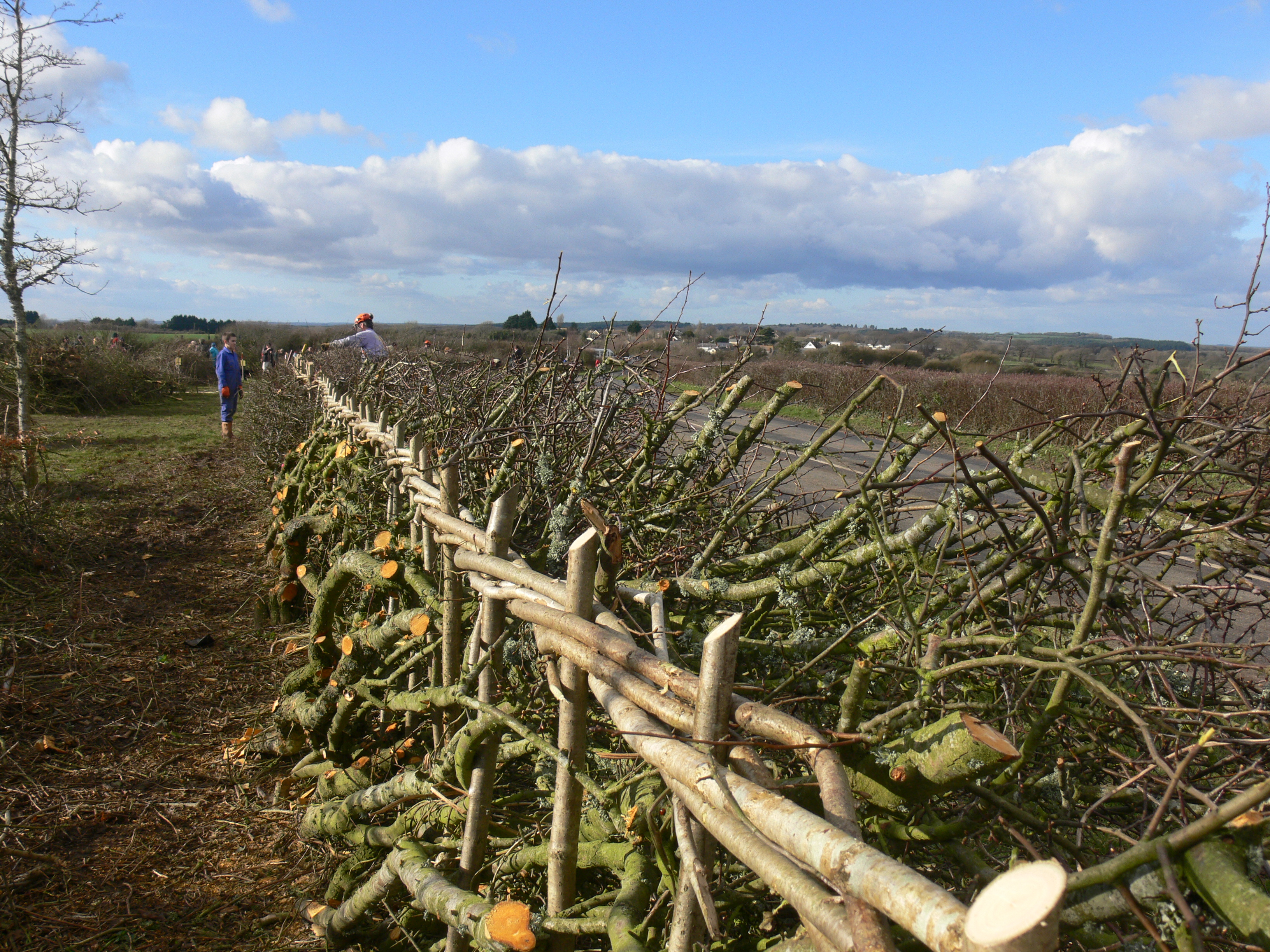
The British walking-stick tradition is the largest working stick economy in the British Isles by current volume — substantially larger than the Irish tradition by piece count, less concentrated in cultural register. Across England, Wales, and Scotland, regional variations developed in materials, dimensions, handle conventions, and finishing.
This guide is the regional identification reference. For the broader English-specific context, see England. For Welsh stick-tradition history, see The Welsh stick tradition. For Scottish history, see The Scottish stick tradition.
Quick reference
| Region | Canonical materials | Characteristic markers |
|---|---|---|
| Lake District (Cumbria) | Ash, hazel; occasional rowan | Substantial hill-walking pieces; horn handles; working register |
| Sussex / Kent (Weald) | Ash, hazel; occasional hawthorn | Hedge-laying-tradition pieces; modest decoration; working register |
| Welsh hills | Hazel; ash for hill sticks | Shepherd’s crook tradition dominant; substantial crook handles |
| Scottish Highlands | Holly, hazel, ash; occasional thorn | Thumb-stick tradition; lighter pieces; ceremonial register |
| East Anglia | Ash, hazel | Hedge-coppice tradition; modest working pieces |
| West Country (Somerset, Devon) | Ash, oak, hazel | Working register; substantial hedge-tradition pieces |
Lake District / Cumbria — the hill-walking tradition
The Lake District has a distinctive hill-walking-stick tradition centred on serious upland use. The Herdwick sheep tradition and the substantial walking-economy infrastructure produced a working-stick culture focused on durability and hill use.
Lake District markers:
- Substantial working sticks — sized for hill use, slightly shorter than flat-ground sticks
- Ash and hazel dominant — the working hill stave materials
- Horn handles common — ram’s-horn for working sticks, polished cattle horn for finer pieces; a regionally-distinctive feature
- Substantial brass ferrules — quality hardware for serious working use
- Working register dominant — Lakeland pieces are working tools first
- Modest decoration — substantial pieces with restrained presentation
Working pieces routinely appear at Cumbrian agricultural shows (Royal Lakeland, Westmorland County, others).
Sussex / Kent — the hedge-laying tradition
The Wealden region (Sussex and Kent) has substantial hedge-laying tradition dating back centuries; the regional working-stick tradition developed alongside it.
Wealden markers:
- Working ash and hazel — the standard British native stick woods
- Hedge-tradition pieces — stems often selected from hedge-laying cuts
- Modest decoration — plain knobs or simple shaped handles
- Brass band collars — common; substantial silverwork less common
- Working register — pieces read as tools
The Wealden tradition is less distinctive than Lake District or Welsh traditions; the working register dominates without strong stylistic markers. Identification is often only possible through known maker attribution.
Welsh hills — the shepherd’s-crook tradition
Wales has a substantial regional stick tradition centred on the shepherd’s-crook form. The hill-shepherding economy supported substantial crook production; Welsh agricultural shows (Royal Welsh, particularly) maintain competition culture for crook-making.
Welsh markers:
- Shepherd’s-crook handles dominant — the curved crook is the canonical Welsh form (see The shepherd’s crook)
- Hazel for working hill sticks — light, flexible, traditional
- Ash for serious hill staves — when more substantial pieces are needed
- Substantial crook character — Welsh crooks are typically substantial, sized for genuine working shepherd use
- Horn handles in the working tradition (similar to Lake District use)
- Competition pieces show substantial polished finishing
For the broader Welsh tradition history, see The Welsh stick tradition and the forthcoming Wales region cluster.
Scottish Highlands — the thumb-stick tradition
Scotland has a substantial stick tradition centred on the thumb-stick form — a Y-fork piece where the user’s thumb sits in the fork between two shaft branches. The thumb-stick is more common in Scottish tradition than in English or Welsh.
Scottish markers:
- Thumb-stick (Y-fork) handles — the canonical Scottish form (see The thumb-stick)
- Holly for working sticks — Scottish holly tradition is substantial (see Holly)
- Hazel for lighter pieces
- Ash for hill sticks
- Substantial Highland-tradition ceremonial pieces — particularly for Highland Games and regimental use
- Sometimes decorated with Celtic-knot carving — particularly on presentation pieces
For Scottish tradition history, see The Scottish stick tradition and the forthcoming Scotland region cluster.
East Anglia — the hedge-coppice tradition
East Anglia has substantial historical hedge-coppice production — Norfolk, Suffolk, Cambridgeshire — supplying working stick stock to broader markets. The regional tradition is modest in distinctive markers.
East Anglian markers:
- Ash and hazel from coppice production — substantial hedge-coppice supply
- Working register — modest decoration; working tools first
- Plain handles or simple shaped knobs — minimal aesthetic embellishment
- Brass ferrules standard
Identification is often only possible through known maker attribution; the regional stylistic markers are subtle.
West Country (Somerset, Devon, Dorset) — the working hedge tradition
The West Country has substantial historical hedge tradition (North Somerset hedge-laying style is one of the National Hedgelaying Society recognised styles) and substantial associated working-stick production.
West Country markers:
- Mixed materials — ash, oak, hazel all present
- Working hedge pieces — stems often from hedge-laying cuts
- Modest decoration — substantial pieces with working register
- Royal Bath & West Show pieces — competition tradition at Royal Bath & West is substantial
Where regional traditions persist
Modern working makers by region:
- Lake District — substantial active community
- Welsh hills — substantial active community; particularly strong shepherd’s-crook tradition
- Scottish Highlands — modest active community; some specialty thumb-stick makers
- Wealden, East Anglia, West Country — smaller communities; individual working makers in each region
Working makers in each region typically maintain modest workshop presence and accept commissions.
Combining regional and temporal markers
For dating and identifying a specific British piece:
- Combine regional markers from this guide with temporal markers from Dating a vintage walking stick
- Check maker identification against Makers’ marks catalogue and the forthcoming Makers’ marks by region
- For high-value pieces, consider professional authentication (specialist auction-house valuation)
Common identification mistakes
- Confusing British regional traditions with Irish tradition — the canonical Irish “shillelagh with substantial root burl” is distinct from British regional forms; don’t mis-attribute Irish pieces as English
- Assuming all crook handles are Welsh — crook handles appear in English Lakeland and Scottish traditions too; the substantial Welsh association is statistical, not exclusive
- Reading competition-grade pieces as regional working pieces — competition pieces are graded for show, not for working tradition representation
Where to commission in British regional traditions
The journal does not currently maintain dedicated recommended-maker lists for British regional traditions.
For the broader English context, see England. For Welsh and Scottish specific contexts, see The Welsh stick tradition and The Scottish stick tradition and the forthcoming dedicated region cluster pages for Wales and Scotland.
For competition culture context (which substantially shapes the British tradition aesthetic), see the discussion of agricultural-show competition in England.
Sources & further reading
- National Hedgelaying Society, National Hedgelaying Society
- Rackham, O. — The History of the Countryside (1986), J.M. Dent / WorldCat
- Mabey, R. — Flora Britannica (1996), Sinclair-Stevenson / WorldCat
Related reading
- historyThe Welsh stick tradition
Ash, the shepherd's crook, the sheepdog handler's stick, and the agricultural-show culture that has kept the Welsh stick-making alive at a working scale.
- historyThe Scottish stick tradition
Holly, the gillie's pole, the deer-stalker's stick, and the Highland sporting-estate culture that produced one of the more distinctive walking-stick forms in northern Europe.
- historyMaker's marks: a catalogue and field guide
What a stick-maker's mark is, where it appears, how to document an unknown one — and the small number of marks the journal can currently identify with any confidence.
- historyMakers' marks by region
A regional cut on the makers'-marks reference — Irish (Wicklow, Kerry, Cork, Donegal, Antrim), English (Lake District, Wealden, others), Welsh, and Scottish marking conventions and how to read them.