Dating a vintage walking stick
How to date an inherited or acquired walking stick — the wood, ferrule, head fittings, strap, finish, and silverware markers that locate a piece in a specific historical period.
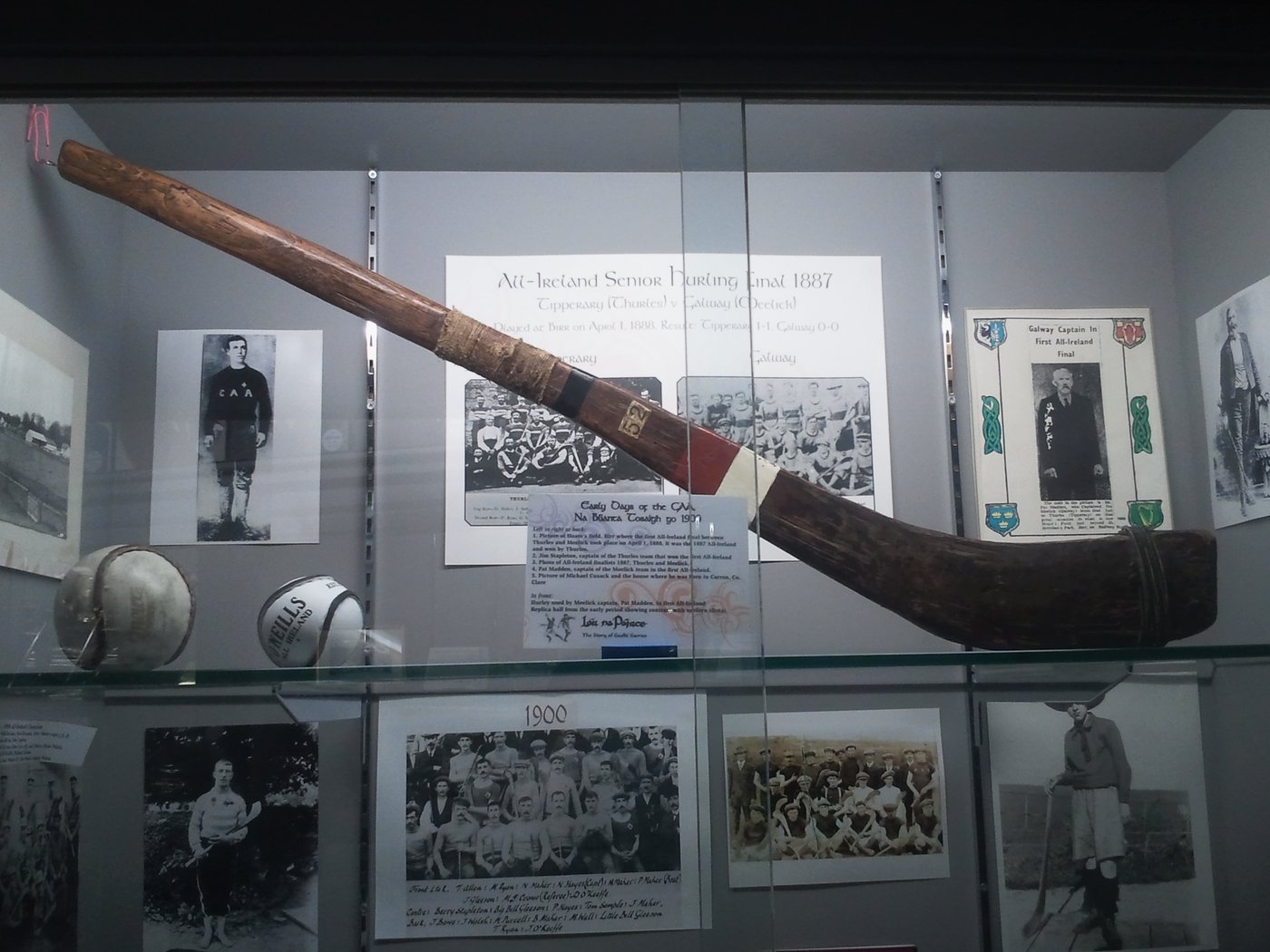
A walking stick acquired from a family inheritance, a country auction, an antique market, or an estate sale rarely arrives with documentation. The owner wants to know: how old is this piece? Who made it? What’s it worth? Is it the heirloom the family thinks it is?
This guide covers dating. The six diagnostic markers below locate a vintage stick in a specific historical period — usually a 10-20 year window, sometimes a specific decade, occasionally a specific year. The skill is reading multiple markers together; individual markers can be ambiguous but combinations produce reliable conclusions.
For authentication of a specific maker or style, see Makers’ marks catalogue and the forthcoming Makers’ marks by region reference.
The six markers
1. Wood species and treatment
The wood itself dates the piece to broad periods:
Malacca cane (pale honey-brown with leopard-spot nodes) — see Malacca cane. Dominant in Victorian and Edwardian gentleman’s-cane production (~1830-1939). A Malacca-cane piece almost certainly dates to this period; substantially uncommon as new production after 1945.
Blackthorn (dark heartwood, thorn-stub character) — see Blackthorn. Continuous tradition; doesn’t narrow the date independently. But the working register favoured by makers shifts over time: nineteenth-century pieces often more rustic; mid-twentieth-century pieces more refined; modern pieces vary substantially.
Ash (pale, ring-porous grain) — see Ash. Continuous Irish and British tradition. Doesn’t narrow the date.
Snakewood (distinctive dark-spotted grain) — see The walking cane. Substantial Victorian gentleman’s-cane material; rare in working production after 1939. A snakewood cane is almost certainly Victorian or Edwardian.
Ebony, rosewood, satinwood — exotic-wood canes from the Victorian colonial-trade era. Substantial in production 1830-1939; rare after.
Hickory (American hardwood) — see Hickory. American production from the late nineteenth century onward; rare in British/Irish working production. A hickory walking stick is probably American, probably twentieth century.
Plastic shaft — modern (post-1960). Telescoping aluminium/plastic walkers are post-1980. Carbon fibre is post-2000.
2. Ferrule construction
The ferrule (foot cap) is one of the most reliable indicators of period:
Solid brass cap with smooth profile — Victorian standard, continued through Edwardian; the most common antique ferrule type. Generally indicates pre-1920 production for traditional working sticks.
Solid steel cap — similar period to brass; alternative material in working pieces. Sometimes survives later (1920s-1940s) in regional working traditions.
Brass cap with rubber tip insert — early-to-mid twentieth century (~1920-1960). Rubber tips became common as urban pavements grew; the convertible brass-and-rubber ferrule is a transition design.
Pure rubber ferrule (no brass) — mid-twentieth century onward (~1950+). Almost universal in modern medical-supply canes; common in modern walking sticks.
Spike or pointed ferrule — for hill walking; throughout the period. Doesn’t independently date the piece.
Stamped thin metal ferrule — post-1960 mass-production indicator; quality piece with this ferrule is suspicious (may be a Victorian shaft refitted later, or a fake antique).
3. Head fittings
The head fittings (handle, collar, decoration) carry strong period signals:
Substantial silver collar with hallmarks — Victorian and Edwardian gentleman’s-cane standard. The hallmark date letter is the most reliable single date marker (see the silverware section below).
Plated brass collar — late Victorian onward; common in mid-range production through the mid-twentieth century.
Plain brass band — working stick convention through the twentieth century. Doesn’t narrow the date independently.
Heavy carved knob — pre-1939 generally; post-war production rarely featured substantial hand-carved knobs (the skilled labour costs rose; carved heads became unusual).
Natural root-burl knob (blackthorn) — continuous Irish tradition; doesn’t narrow the date independently.
Derby handle, fritz handle — Victorian onward; common in gentleman’s canes and modern orthopaedic canes. The derby was the dominant Victorian formal-cane handle.
Knob with engraved inscription — period of the engraving narrows the date. A knob engraved “Presented to John Smith, 1885” is dateable to 1885 by the engraving content; check that the inscription was contemporary (the engraving style and any silverware hallmarks should match the claimed period).
Mother-of-pearl or ivory inlays — Victorian and Edwardian luxury work. Ivory inlays are heavily restricted in modern trade; vintage ivory pieces require careful legal handling. See The walking cane.
4. Strap and leatherwork
The wrist strap (if fitted) often dates the piece independently:
Hand-stitched leather strap with brass swivel — Victorian and Edwardian standard. Quality leather, visible hand-stitching, brass fittings.
Machine-stitched leather strap — common from late nineteenth century onward as sewing machines became standard. Doesn’t strongly narrow the date.
Plastic strap or synthetic webbing — post-1960 indicator. Quality piece with synthetic strap is suspicious for authentication.
No strap, leather slot or hole drilled into the shaft — older convention (pre-1900 generally); the user provided their own leather thong.
Modern wrist loop with plastic clip — mid-twentieth century onward.
5. Finish
The surface finish carries softer date signals:
Hand-rubbed beeswax or oil finish — continuous tradition; doesn’t strongly date the piece.
French polish or shellac finish — Victorian and Edwardian gentleman’s-cane standard. A high-polish shellac finish typically indicates pre-1939 production.
Polyurethane or modern lacquer — post-1950 indicator. Quality vintage piece with modern lacquer is suspicious (may have been refinished later; check for finish over the bottom of the silverwork, which would indicate post-original refinishing).
Heavy patina — accumulated age character; cumulative result of decades of handling. Patina cannot be faked convincingly on a recently-produced piece (artificial ageing produces uniform darkness rather than the variable shading of genuine wear).
6. Silverware hallmarks
The most precise dating tool when applicable. UK and Irish silver hallmarks include:
Town mark — indicates the assay office (London, Birmingham, Sheffield, Edinburgh, Glasgow, Dublin, Newcastle, etc.) Standard mark — confirms sterling or higher silver content (lion passant for sterling in England; harp for Dublin Hibernia silver) Date letter — a single letter indicating the specific assay-office year; the alphabet cycles with the typeface and case changing each cycle to identify the date precisely Sovereign’s head (when present) — duty mark, abolished 1890; if present, dates pre-1890 Maker’s mark — identifies the silversmith
A hallmarked silver collar locates the piece to a specific assay-office year. Combined with the visual age of the rest of the stick, this is the single most reliable dating tool.
For non-UK/Irish silver, similar conventions apply in other European countries with different town marks and date conventions. American silver typically lacks a date system; rely on maker’s marks and stylistic conventions for American pieces.
Combining markers
Individual markers can be ambiguous; combinations produce reliable conclusions.
Example 1: Malacca cane shaft + Victorian silver collar (hallmarked 1875) + hand-stitched leather strap + heavy patina + shellac finish.
Conclusion: Definite Victorian piece (1875 hallmark is hard evidence). Original to the hallmark date with high confidence. Substantial value if maker can be identified.
Example 2: Blackthorn shaft + modern rubber ferrule + brass band (no hallmarks) + synthetic strap + heavy patina.
Conclusion: Ambiguous. The blackthorn and patina suggest age; the ferrule and strap suggest recent. Likely a vintage shaft refitted with modern fittings — common as antique sticks are restored for daily use. Working value as a fitted stick; antique value compromised by replacement parts.
Example 3: Plain hickory shaft + steel cap ferrule + simple wooden knob + no strap or fittings + medium patina.
Conclusion: Probably twentieth-century American working stick. Hickory is American; the simple working construction suggests rural Southern production. Could date anywhere from 1900-1960; lacking more specific markers, narrow window not possible. Working value as a sound walking stick.
Example 4: Snakewood shaft + heavy ivory derby handle + hallmarked Victorian silver collar (date letter 1892) + hand-engraved monogram + heavy patina + French-polished finish.
Conclusion: Definite high-end Victorian gentleman’s cane, 1892 confirmed by hallmark. Substantial commercial value. The ivory inlay requires careful handling in modern trade due to ivory restrictions. Professional authentication and appraisal warranted before any sale.
Common dating mistakes
- Assuming heavy stain = age. Modern fakes use heavy stain to simulate age. Patina is variable shading from accumulated handling; stain is uniform.
- Assuming the stick is as old as the family story. Family lore about “great-great-grandfather’s stick” may compress history (the stick may have been bought new in his old age) or exaggerate it (the stick may be a later replica).
- Assuming a maker’s mark dates the stick precisely. The maker may have worked for 30+ years; the mark identifies the maker but a specific year requires additional markers.
- Assuming a hallmarked silver collar means the whole stick is from that date. The collar could have been added to an older shaft (uncommon but possible) or fitted to a newer shaft (more common, particularly for “antiqued” presentation pieces).
- Ignoring the strap. The strap is often the most-modern element on an otherwise vintage piece; its modernity doesn’t always invalidate the stick’s age but does affect the authenticity of “complete original” claims.
When to seek professional authentication
For sticks of potentially substantial commercial value (silver collar hallmarks indicating premium maker, exotic wood, named-maker identification), professional authentication may be worthwhile:
- Auction-house valuation — most major auction houses with antique departments will provide written valuations
- Specialist cane dealers — particularly in London, New York, and continental European centres; provide both valuation and provenance research
- Stick-tradition specialists — for cultural and historical (rather than purely commercial) authentication
Costs typically £80-£300 for routine authentication; substantially more for full provenance research on potentially high-value pieces.
For routine family heirlooms where the question is “how old is this and is it worth keeping?”, the eight markers above usually answer the question without professional involvement.
What dating doesn’t tell you
A few honest acknowledgements:
- Dating doesn’t establish provenance. A stick dated to 1880 isn’t necessarily the stick a specific ancestor owned in 1880; family stories are separate from dating.
- Dating doesn’t establish commercial value. A precisely-dated Victorian piece may be worth £150 (routine working stick of period) or £15,000 (specific maker, exceptional condition, prestigious provenance). Dating is the first step; valuation requires additional expertise.
- Dating doesn’t establish whether to keep using the stick. An 1880 piece in sound condition can still be a working walking stick today, with appropriate care. A pristine 1880 piece may be too valuable to use; a battered 1880 piece may be a working tool with substantial sentimental value.
Where to find authentication resources
- Crafts Council of Ireland — Irish craft authentication resources
- Antique Cane World and similar specialist publications
- Major auction houses (Bonhams, Christie’s, Sotheby’s) — antique cane and walking-stick valuation departments
For the journal’s reference on makers’ marks specifically, see Makers’ marks catalogue. For the broader walking-cane historical context, see The walking cane and Swagger sticks.
Related reading
- guidesHow to spot a counterfeit blackthorn stick
Eight visual and physical markers that separate a genuine handmade blackthorn from the imported lookalikes that flood the retail market — and what a real working maker's piece actually shows.
- guidesIdentifying an authentic shillelagh
How to tell a genuine handmade Irish shillelagh from the souvenir-shop reproduction — six markers that locate a piece in the working Irish tradition or the tourist trade.
- historyMaker's marks: a catalogue and field guide
What a stick-maker's mark is, where it appears, how to document an unknown one — and the small number of marks the journal can currently identify with any confidence.
- historyMakers' marks by region
A regional cut on the makers'-marks reference — Irish (Wicklow, Kerry, Cork, Donegal, Antrim), English (Lake District, Wealden, others), Welsh, and Scottish marking conventions and how to read them.