How to spot a counterfeit blackthorn stick
Eight visual and physical markers that separate a genuine handmade blackthorn from the imported lookalikes that flood the retail market — and what a real working maker's piece actually shows.
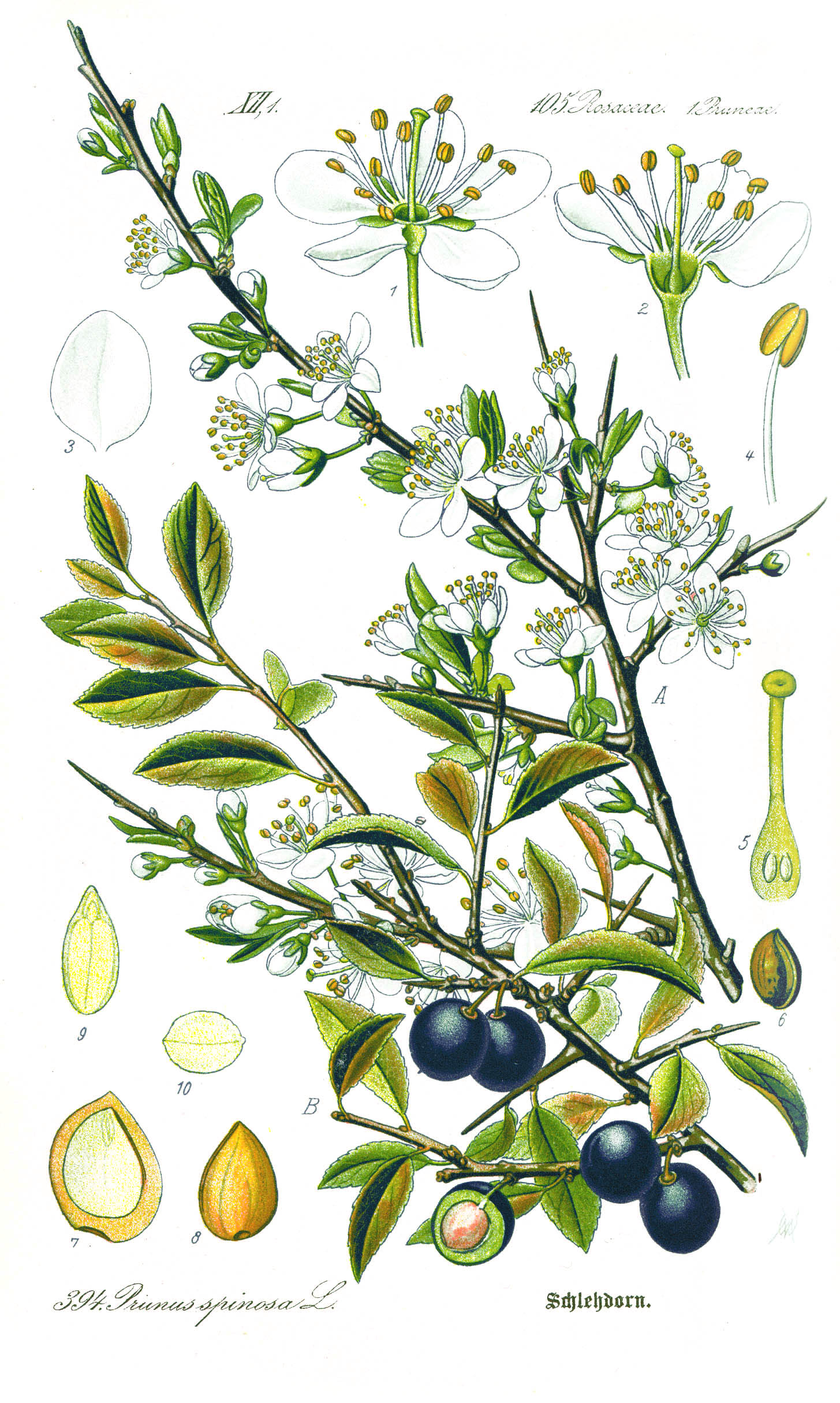
The blackthorn walking stick has substantial cultural cachet — the canonical Irish working tool, the shillelagh tradition, the Bataireacht heritage — and substantial cultural cachet attracts substantial counterfeiting. The retail market is full of imported lookalikes marketed as “Irish blackthorn”, priced at handmade-equivalent rates, that bear minimal resemblance to a genuine working maker’s piece.
This guide is the diagnostic framework. Eight markers separate the real from the counterfeit. A buyer who checks all eight can shop confidently; a buyer who relies on the seller’s claim alone takes substantial risk.
For the broader manufacturing-quality conversation, see Handmade vs machine-made sticks and Handmade Irish vs imported stick — both cover related ground.
The eight markers
1. Thorn-stub character
The single most reliable marker. Real blackthorn (Prunus spinosa) is a heavily-thorned species; the working stick is made from a stem that’s been hand-trimmed of its thorns, leaving small visible bumps along the shaft.
Genuine thorn-stubs show:
- Irregular spacing — thorns grow at variable distances along the stem, not at consistent intervals
- Irregular angles — some thorns project nearly perpendicular to the stem; others at acute angles
- Irregular sizes — the bumps vary in diameter and height
- Natural cell-growth pattern around each bump — the surrounding wood shows the natural cellular growth that responded to the thorn’s presence
- Some thorn-stubs absent — not every original thorn left a clean stub; some areas show smooth shaft where thorns were minimal or absent originally
Counterfeit thorn-stubs show:
- Regular spacing — drilled or routed at consistent intervals
- Identical sizes and angles — uniform machine production
- No natural cell-growth pattern — the surrounding wood is uniform sanded surface
- Sometimes completely absent — a smooth shaft labelled “blackthorn” is wrong; real blackthorn cannot have a smooth shaft
Test: pick up the stick, run a finger down 6-8 inches of shaft in any direction, count thorn-stubs and note their distribution. Variability is genuine; uniformity is fake.
2. Bark and surface finish
Real blackthorn working sticks show:
- Bark partially or fully retained in many traditional pieces — the dark grey-brown bark stays on the shaft as natural surface; the maker may strip only at the head and ferrule
- Where bark is removed, the underlying wood shows the natural ridge-and-valley character of mature blackthorn stems
- Surface finish is matte oil or beeswax — the wood absorbs the finish; the surface has soft texture
- Hand-rubbing marks are visible where the maker has polished the wood
Counterfeit pieces show:
- No bark or “bark-effect” stain — heavily-stained dark surface meant to look like bark but lacking the texture
- Uniform machine-buffed surface — smooth glossy texture across the entire shaft
- Sprayed varnish or polyurethane finish — sits on top of the wood; reflects light uniformly; feels plastic
- Uniform stain colour — heavy “blackthorn brown” stain masks any underlying grain
A buyer should examine the surface in raking light (light at an angle to the surface). Genuine finish shows subtle variations; counterfeit finish shows uniform sheen.
3. Shaft taper
Real blackthorn stems grow from a thick root end to a thinner tip. Working sticks preserve this natural taper:
- Visible diameter difference between grip end and ferrule end (typically 4-8mm across the working length)
- Gradual change along the shaft, not stepped or abrupt
- Natural irregularities — slight bows or character bends that the maker has selected for or worked around
Counterfeit pieces show:
- Uniform diameter along the entire shaft (CNC manufacturing produces consistent thickness)
- Or stepped taper — sometimes machine-turned to imitate natural taper but with visible transitions
- Mathematically straight shaft — no character bends or natural irregularities
Test: hold the stick at the midpoint with one hand and check the diameter at the grip vs the ferrule. Genuine pieces show meaningful taper; counterfeit pieces show consistent diameter.
4. Root burl authenticity
If the stick has a substantial root-burl knob at the head, examine it carefully:
Genuine root burl shows:
- Continuous wood with the shaft — no visible glue line or join between knob and shaft
- Natural grain transition from shaft to burl — the burl is part of the same stem
- Irregular shape and texture — burls don’t grow uniformly
- Same wood character throughout — same colour and grain as the shaft
Counterfeit knobs show:
- Visible glue line at the head-shaft join (sometimes hidden under a brass collar)
- Separate wood character — knob made from different stock or different species, glued in place
- Uniform machine-turned shape — geometric rather than organic
- Different colour or grain from the shaft (sometimes obvious, sometimes subtle)
Test: examine the head-shaft join carefully. If there’s a collar, ask the seller to remove it for inspection (a working maker will accommodate; a fake won’t allow it).
5. Ferrule construction
The ferrule (foot cap) tells a lot about the stick:
Genuine ferrules show:
- Substantial brass or steel — visible thickness when examined from the side
- Hand-fitted to the shaft — clean join but slightly variable on close inspection
- Often removable for replacement — held by friction or single pin
- Sometimes convertible — premium pieces include both brass cap and removable rubber tip
Counterfeit ferrules show:
- Thin stamped metal or plastic — feels light
- Glue-fitted permanently — visible glue residue at the join
- Cannot be removed — buyers can’t replace when worn
- Sometimes brass-coloured plastic — looks like brass at distance; feels plastic on close inspection
Test: pick up the stick, feel the foot. Heavy and substantial = genuine; light and hollow = suspicious.
6. Maker identification
A genuine handmade blackthorn comes from a named maker. Identification typically includes:
- Maker’s stamp or signature on the shaft (small burnt or stamped mark, usually near head or ferrule)
- Identification certificate accompanying the stick
- Working address and contact — the maker is a real person at a real workshop
- Listed with a craft body (for example the Crafts Council of Ireland); note that membership of some stick-making bodies is open to anyone, so it does not by itself show a maker is genuine
Counterfeit sticks show:
- Brand or retailer label — “Made in Ireland” or “Irish handmade” without an individual maker’s name
- No contact for the maker — only the retailer is contactable
- Generic identification — “Authentic Irish craft” stamps that are themselves mass-produced
- No verifiable working address
This is the most diagnostic single marker. Real handmade sticks come from real people. Mass-produced sticks don’t.
For the makers-marks reference, see Makers’ marks catalogue.
7. Weight and feel
Real blackthorn has specific physical properties:
- Substantial weight — real blackthorn is dense, so a typical stick feels heavy in the hand for its size; the journal has no published density figure to quote
- Hard surface — fingernail scratches don’t dent the wood meaningfully
- Ringing tone when tapped — solid, dull-thud impact sound
- Cool to the touch initially — denser woods feel cooler than lighter substitutes
Counterfeit pieces (often made from lighter substitute woods stained to look dark) show:
- Noticeably lighter weight than real blackthorn of comparable dimensions
- Softer surface — fingernail can scratch the surface
- Hollow-sounding tap — less mass produces brighter impact sound
- Room temperature feel — less density means less heat-sink behaviour
Test: weigh the stick if possible; if not, compare in the hand against a known-genuine reference. The substantial weight difference is immediately noticeable.
8. Price
Real working handmade blackthorn from a respected Irish maker has a minimum price reflecting materials, seasoning, and craft labour. See Walking stick price ranges for the canonical breakdown.
- Below £100: almost certainly counterfeit or grossly compromised
- £100-£200: entry-level handmade or premium-marketed counterfeit (apply other markers carefully)
- £200-£400: standard working handmade range
- £400+: premium handmade with substantial root burl or silverwork
Sellers offering “handmade Irish blackthorn” at £40-£80 are not selling handmade Irish blackthorn. Sellers offering “premium handmade blackthorn” at £150-£200 may or may not be — apply the other seven markers.
How to apply the markers
For an in-person inspection (a stick at a fair, in a shop, or delivered for review):
- Walk around the stick — view from multiple angles in good light
- Check thorn-stub pattern in raking light along multiple shaft sections
- Examine the head-shaft join for glue lines or signs of separate assembly
- Lift and weigh in the hand; compare to expected weight for size
- Tap the shaft and listen to the impact sound
- Inspect the ferrule — feel, weight, removability
- Examine the surface in raking light for hand-finish vs machine-finish character
- Find the maker identification — stamp, signature, accompanying card
For an online purchase:
- Request multiple close-up photos — head detail, ferrule detail, several shaft sections, end-grain if visible
- Confirm maker name and working address
- Confirm pricing is in the working handmade range
- Read the listing carefully for vague language (“Irish-style”, “Irish-inspired”, “from the Irish tradition” rather than “made in Ireland by [maker name]”)
- Apply all markers on delivery before accepting the piece
For inspecting a stick believed to be antique:
- The eight markers still apply but adapted for age character
- A 50+ year old genuine blackthorn shows patina, wear pattern, period-appropriate fittings
- A modern fake-antique stick shows artificial ageing (stain, distress marks added at production) but lacks the wear pattern of actual use
What counterfeit blackthorn is good for
A few honest acknowledgements about imported lookalikes:
- Visual prop use — for theatrical productions, costume parties, themed events, a £40 lookalike is fine
- Children’s dressing-up — same logic
- First-time buyer who wants the visual without commitment — accept the limitations; the stick is decorative
But buyers should not pay £150-£300 for a counterfeit believing it to be genuine handmade. The value is wrong, the working life is wrong, and the cultural register is wrong.
What to do if you’ve been sold a counterfeit
If a buyer discovers they’ve been sold a counterfeit as a genuine handmade piece:
- Document the discrepancies — photographs of each failing marker
- Contact the seller with the documentation, requesting refund or remedy
- Reputable sellers refund — if the listing claimed handmade Irish provenance and delivered a counterfeit, the seller is in breach
- Disreputable sellers refuse — in which case, depending on jurisdiction, consumer protection authorities and credit card chargeback options may apply
- For substantial purchases, consider engaging a working maker or stick-tradition expert to provide formal authentication for any legal action
For the legal and labelling background, see Handmade Irish vs imported stick.
Where to buy genuine blackthorn
For genuine handmade Irish blackthorn from a working maker, see The makers page. The journal’s recommended Irish maker is a named individual at a working address with substantial identifiable body of work. For the broader buyer-decision conversation, see Your first stick and Walking stick price ranges.
Related reading
- comparisonsHandmade Irish vs imported walking stick
How to tell a working handmade Irish stick from an imported lookalike — six diagnostic markers that separate the real artisan piece from the mass-produced product priced as if it were.
- comparisonsHandmade vs machine-made sticks
The two products look almost identical at the price-point of $15 vs $150. Here is exactly what the price difference is paying for, and what fails on the cheap one.
- guidesIdentifying an authentic shillelagh
How to tell a genuine handmade Irish shillelagh from the souvenir-shop reproduction — six markers that locate a piece in the working Irish tradition or the tourist trade.
- guidesWalking stick price ranges: what you actually pay for
Honest price transparency across the working stick market — entry, mid, high-end, presentation — what's actually inside each price point, and where you should and shouldn't economise.