Northern Ireland
The Northern Irish stick world — the substantial Antrim Bata martial tradition, the Donegal-adjacent coastal working register, the Belfast urban tradition, and the cross-border continuity with the broader Irish working community.
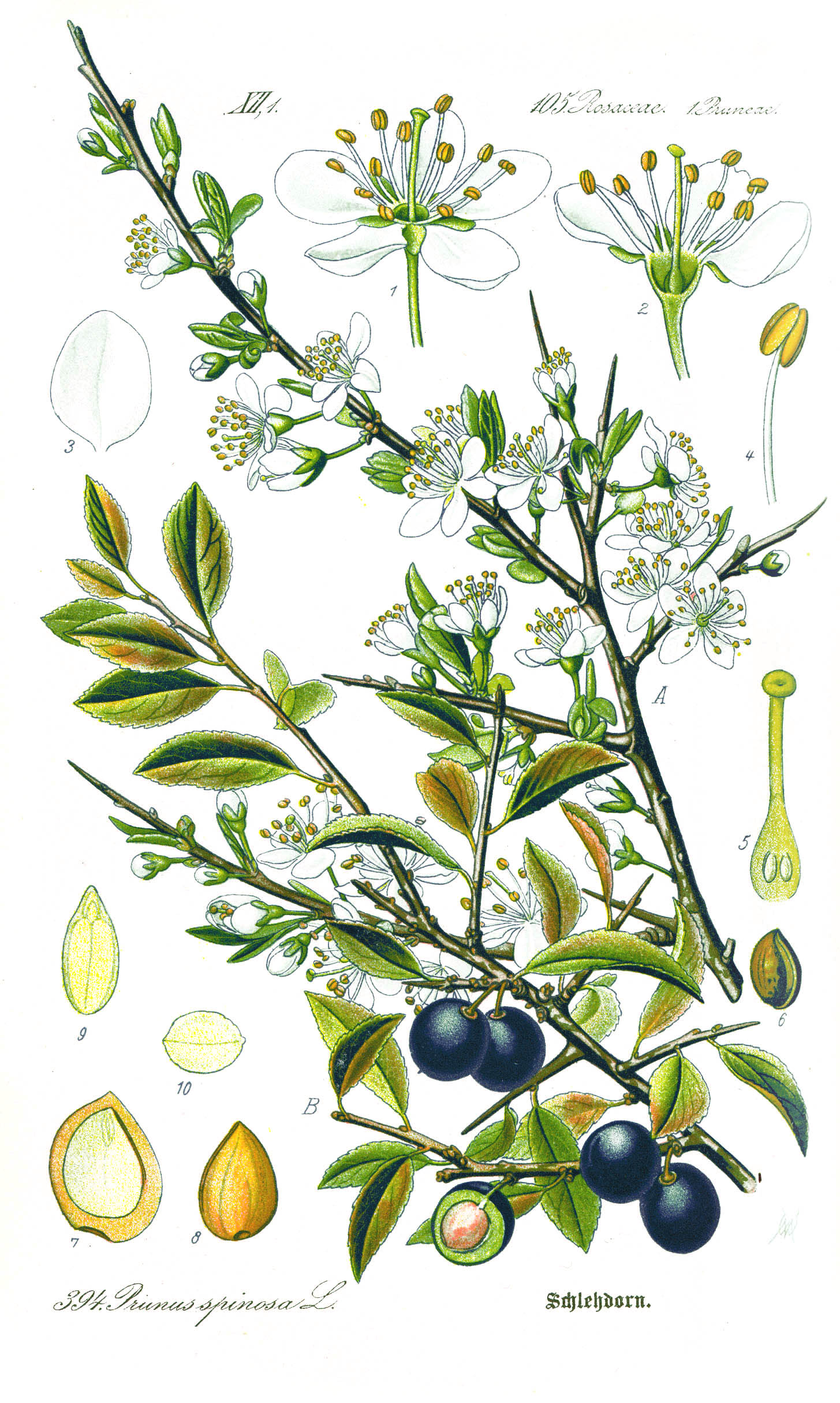
The Northern Irish stick tradition sits in close cultural continuity with the broader Irish working stick world — the same blackthorn, the same shillelagh tradition, the same Bataireacht martial register — while also occupying its own distinct cultural-political context. This cluster page covers Northern Ireland specifically, with substantial cross-reference to the Ireland cluster for the broader cultural framework.
The Northern Irish-specific contribution to the broader Irish stick world is the substantial Antrim Bata tradition — the martial-arts stick-fighting lineage centred on the Antrim region and (more broadly) the six counties.
Quick reference
| Canonical forms | Blackthorn shillelagh; working walking stick; substantial Bata-tradition pieces |
| Canonical working woods | Blackthorn (canonical); hazel, ash, occasional thorn |
| Regional centres | Antrim (Bata centre); Donegal-adjacent border country; Belfast (urban tradition) |
| Cultural register | Substantial cross-border continuity with broader Irish tradition; distinct Antrim Bata martial register |
| Modern community | Active Bataireacht lineage organisations; modest commercial working maker community |
The Antrim Bata tradition
The substantial Northern Irish-specific contribution is the Antrim Bata tradition — a documented martial-arts stick-fighting lineage that survived through the twentieth century through specific family teaching lines and has been substantially revived since the 1990s through dedicated lineage organisations.
Antrim Bata characteristics:
- Substantial blackthorn working pieces — sized for working defensive use
- Substantial root-burl heads — the canonical Bata head is heavy and substantial
- Working register with substantial defensive emphasis — pieces read as both walking aids and (within the working martial tradition) defensive implements
- Specific lineage transmission — the Doyle Clan tradition and related Antrim lineages produced pieces with identifiable conventions and identifiable defensive technique transmission
- Modern lineage organisations maintaining and teaching the working tradition
For the full Bataireacht tradition context, see Bataireacht. For the forthcoming dedicated Antrim Bata page, see The Antrim Bata tradition.
Working stick tradition
Beyond the Bata martial register, the Northern Irish working stick tradition sits in substantial continuity with broader Irish working tradition:
Blackthorn working pieces — canonical Irish material; available from working Northern Irish hedgerows in similar abundance to Republic of Ireland sources
Walking sticks for working use — substantially similar to broader Irish working conventions
Shepherd’s crooks — particularly in Antrim and Down upland farming areas; similar to Welsh and Scottish working tradition
Working register dominant — Northern Irish pieces typically read as working tools rather than decorative pieces, similar to broader Irish working tradition
Belfast urban tradition
Belfast and the broader urban Northern Irish context produces a smaller but distinct urban-tradition register:
- Gentleman’s-cane tradition — substantial Victorian-Edwardian gentleman’s-cane tradition in Belfast comparable to Dublin urban tradition
- Working professional walking-stick use — substantial twentieth-century urban professional carrying tradition
- Modern collector tradition — Belfast antique-cane collecting community
The urban Belfast tradition sits closer to broader British urban-cane tradition than to rural Irish working tradition; substantial cross-tradition vocabulary applies.
Cross-border continuity
Despite the political border established in 1921, Northern Irish stick tradition maintains substantial cross-border continuity with the broader Irish working community:
- Wood sources cross the border freely — working makers source from hedgerows on either side
- Cultural register substantially shared — blackthorn-and-shillelagh tradition is Irish across the border
- Working maker community substantially shared — many working makers operate cross-border or maintain working relationships across the border
- Customer base substantially shared — buyers shop across the border without political-cultural distinction
- Bataireacht tradition substantially cross-border — lineage transmission has operated across the border throughout the twentieth century
The Northern Irish cluster exists as a distinct page for political-historical-cultural completeness, not because the working stick tradition is substantially distinct from the broader Irish tradition.
Regional makers
Modern Northern Irish working makers are a modest active community:
- Antrim Bata-tradition makers — particularly within the Doyle Clan and related lineage organisations
- Donegal-adjacent makers — working close to the Republic-of-Ireland border in tradition substantially similar to Donegal makers (see Regional stick styles of Ireland)
- Down and Armagh working makers — small but consistent community
- Belfast urban-tradition makers — smaller community; some specialty in cane-tradition restoration
The journal does not currently maintain a recommended-makers list for Northern Irish tradition. The Crafts Council of Ireland (which operates across both jurisdictions), the British Stickmakers Guild (which includes Northern Irish members), and the Antrim Bata lineage organisations are the standard starting points for buyers.
Connections to other traditions
The Northern Irish stick tradition connects to:
Republic of Ireland tradition — substantial cultural continuity; see Ireland. The cross-border working community substantially treats both as the same working tradition.
Scottish tradition — substantial Ulster-Scots cultural-historical connection; some folkloric register and tradition vocabulary shared. See Scotland.
English tradition — Northern Irish urban tradition and British Stickmakers Guild membership produce substantial connection to English working community. See England and Regional stick styles of Britain.
American-Irish diaspora tradition — substantial Northern Irish diaspora communities in the United States, Canada, and Australia maintain Antrim Bata and broader Northern Irish stick tradition. See American-Irish diaspora sticks.
Reading order
For a reader new to the Northern Irish stick tradition:
- Ireland — the broader Irish tradition (since the Northern Irish tradition sits substantially within it)
- Bataireacht — the broader Irish stick-fighting context
- The Antrim Bata tradition — the dedicated Antrim-specific page (forthcoming)
- Blackthorn — the canonical material
- Regional stick styles of Ireland — comparative regional identification within Irish tradition
- What is a shillelagh? — the canonical Irish stick form
A note on coverage
The Northern Irish stick tradition is partially covered through the broader Irish cluster and the Bataireacht tradition pages; this regional page exists primarily to make the Northern Irish-specific cultural-political context visible.
The Antrim Bata lineage organisations and tradition-keepers are the substantial cultural-keepers of the distinctly Northern Irish stick tradition; the journal welcomes contributions from these communities and from Northern Irish working makers more broadly.
Sources & further reading
- Patrick D. O'Donnell — The Irish Faction Fighters of the 19th Century (1975), Anvil Books / WorldCat
- Antrim Bata Tradition — modern lineage organisations, Antrim Bata
- Crafts Council of Ireland / Design & Crafts Council Ireland, Design & Crafts Council of Ireland
- Dúchas — National Folklore Collection of Ireland, University College Dublin
Related reading
- historyBataireacht
Irish stick-fighting — once everywhere in rural Ireland, suppressed for over a century, taught now by a small number of teachers and clans.
- historyThe Antrim Bata tradition
The substantial Northern Irish stick-fighting lineage centred on County Antrim — its survival through the twentieth century through specific family teaching lines, its modern revival, and its distinctive working blackthorn register.
- woodsBlackthorn
The hedgerow tree behind most Irish sticks: dense, dark, slow-growing, and beloved of hedge-witches.
- historyRegional stick styles of Ireland
How to identify an Irish walking stick or shillelagh by its county or regional origin — Wicklow, Kerry, Cork, Donegal, Antrim, and the broader Munster, Leinster, Connacht, Ulster traditions.