The walking stick in Irish mythology
Beyond blackthorn — the broader Irish folk-mythological tradition of walking sticks, staves, and rods: the Cailleach's hazel rod, the druidic staves, the warrior's spear-stick, the saint's crozier, and the folk-tradition of the stick as protective object.
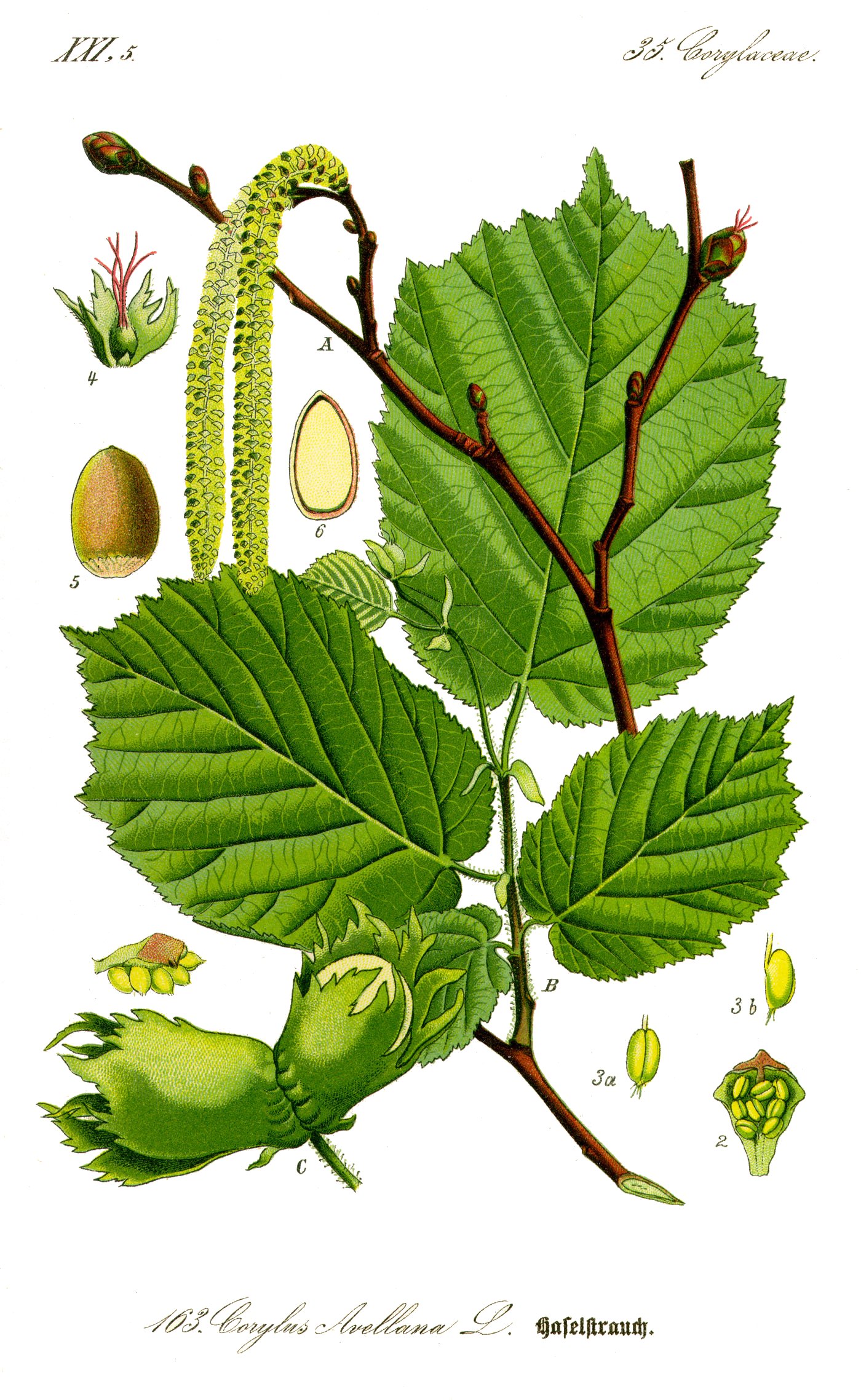
The blackthorn-and-shillelagh tradition occupies the most internationally-visible position in the Irish stick-cultural register, but the broader Irish mythological tradition includes walking-stick, staff, and rod register across multiple distinct traditions — the Cailleach’s hazel rod, the druidic staff, the Fianna warrior-poet stave, the saint’s crozier, and the broader folk-tradition stick-as-protective-object register.
This page covers the broader Irish mythological stick tradition. For the dedicated blackthorn-and-Irish-mythology resource, see Blackthorn in Irish mythology. For the Cailleach specifically, see The Cailleach. For the medieval tree-list framework, see Auraicept na nÉces tree list.
The Cailleach’s hazel rod
The Cailleach (the winter-goddess figure of Irish folkloric tradition) carries a hazel rod as her canonical attribute. The rod functions as:
Sovereignty-tradition staff — the rod is part of the Cailleach’s sovereignty register, marking her substantial role in the land and seasonal cycle.
Weather-control implement — folkloric tradition records the Cailleach using her rod to strike the ground, producing winter weather (frost, snow, the harsh western Atlantic storms).
Transformation tool — some traditions record the rod being used for transformation magic (turning living things to stone, calling forth animal helpers).
Land-marking implement — the Cailleach’s rod marks territory in some traditions; striking the ground claims the land for the winter season.
The hazel material is canonical (see Hazel). For the broader Cailleach tradition, see The Cailleach.
The druidic staff
The pre-Christian Irish druidic tradition included a substantial staff register, partially preserved through Christian-era literary recording:
The druidic slat (rod) and bachall (staff) — distinct objects with overlapping function. The slat was typically a shorter rod (~3 ft) carried for ceremony; the bachall was a longer staff (~5 ft) used for procession and ritual marking.
Materials — hazel was canonical; oak, rowan, and ash appeared in specific traditions; yew is recorded in some accounts.
Functions — divination, prophecy, blessing, cursing, weather work, judicial authority. The druidic staff carried substantial authority register in pre-Christian Irish society.
Christian-era continuity — the saint’s crozier tradition (see below) substantially descends from the druidic bachall tradition; cultural continuity exists across the conversion period.
For broader pre-Christian Irish tradition context, see Auraicept na nÉces tree list — the medieval Irish tree-list that preserves much pre-Christian Irish material.
The Fianna warrior-poet stave
The Fianna (the warrior-poet bands of pre-Christian Irish tradition, substantially associated with Fionn mac Cumhaill and his companions) appear in folkloric tradition with substantial stave register:
The hunting spear-stick — the Fianna canonical weapon was the spear; some folkloric variations include staves and walking-stick-equivalent implements
The hill-walking stave — Fianna roamed the Irish landscape extensively; the working hill-walking stave appears in folkloric tradition
The poetic-divination rod — the substantial Fianna poetic tradition (substantial filidh — poet-seers) used substantial divination rods; substantial overlap with druidic register
Substantial cross-tradition with broader Indo-European warrior-poet tradition — substantial parallels with broader Indo-European mythological warrior-stave register
For the broader Fianna tradition, see Irish-mythological scholarly literature.
The saint’s crozier
Early Irish Christianity adopted the staff register from pre-Christian druidic tradition. The Irish bachall (saint’s crozier) carries cultural-historical weight:
The crozier as authority symbol — bishop’s and abbot’s croziers became substantial symbols of ecclesiastical authority across the medieval Irish church
The miraculous crozier tradition — substantial saints’ lives record miraculous crozier work: striking water from rocks, parting waters, healing the sick, marking holy ground
Major surviving croziers — substantial pieces survive in the National Museum of Ireland and broader Irish museum collections; the Lismore Crozier and similar pieces document substantial medieval Irish ecclesiastical art
Cultural-historical continuity from druidic bachall — the Christian-era bachall tradition substantially descends from pre-Christian Irish staff tradition
The crozier register continues in modern Irish Catholic ecclesiastical tradition; modern bishops carry working croziers as authority register.
The protective folk-tradition stick
Beyond the mythological register, the broader Irish folk tradition includes stick-as-protective-object register:
The blackthorn protective stick — see Blackthorn in Irish mythology for the canonical Irish-tradition treatment
The rowan protective stick — see Rowan; Scottish and Irish protective-tree tradition with stick component
The fairy-thorn taboo — see Fairy thorn taboo; substantial taboo register
The May bush tradition — see May bush tradition; substantial protective-tree register with associated stick traditions
The Brigid’s cross and walking-stick — substantial Brigid (St Brigid / Brigit pre-Christian goddess) tradition includes walking-stick register particularly associated with the substantial Brigid-cross festival tradition
Walking-stick-as-talisman in folk-medical tradition — Irish folk-medical tradition includes walking-stick register particularly in substantial elder-care and substantial childbirth-protection contexts
Cross-tradition connections
The Irish mythological stick tradition connects substantially to:
Broader Indo-European mythological staff tradition — substantial parallels with substantial Greek (Hermes’s caduceus, Aesculapius’s serpent staff), substantial Roman (the Roman fasces and lituus), substantial Norse (Odin’s spear-staff), Welsh (Welsh mythological staff register), Scottish (substantial Highland chief’s staff register)
Christian Mediterranean tradition — Christian crozier tradition extends substantially beyond Ireland; substantial Western European and Eastern European Orthodox crozier register
Celtic broader cross-tradition — Welsh, Scottish, substantial Manx, substantial Breton mythological staff register substantially overlaps with Irish tradition
Modern revival traditions — modern Celtic-revival and modern Druidic-revival communities carry forward substantial mythological staff register
Substantial woods of mythological register
Different Irish mythological staff traditions canonically associate with specific woods:
- Hazel — the Cailleach, druidic, divination register. See Hazel.
- Blackthorn — the protective register, Bataireacht martial tradition. See Blackthorn and Blackthorn in Irish mythology.
- Oak — the substantial druidic and broader sovereign-tradition register. See Oak.
- Rowan — the protective and Cailleach-adjacent register. See Rowan.
- Yew — the substantial pre-Christian and longbow-tradition register. See Yew.
- Ash — the broader Indo-European world-tree register (Norse Yggdrasil, broader European cross-tradition). See Ash.
For the comprehensive medieval Irish tree-list framework, see Auraicept na nÉces tree list.
A note on coverage
Irish mythological tradition is substantial and preserved in multiple distinct documentary traditions (Old Irish manuscripts, folkloric collections, modern scholarly synthesis). This page is necessarily a selection; expansion would benefit substantially from contributions from Irish-mythological-tradition specialists, Celtic-revival community members, and Irish-language scholarly tradition specialists.
The Dúchas National Folklore Collection of Ireland (cited above) is the substantial primary-source archive for Irish folkloric stick-tradition material; substantial recent scholarly synthesis (Mac Coitir 2003, Ó hÓgáin 1991, and broader Irish folklore scholarship) provides substantial accessible secondary-source references.
Sources & further reading
- Niall Mac Coitir — Irish Trees: Myths, Legends & Folklore (2003), Collins Press
- Dúchas — National Folklore Collection of Ireland, University College Dublin
- Daithí Ó hÓgáin — Myth, Legend & Romance: An Encyclopaedia of the Irish Folk Tradition (1991), Prentice Hall / WorldCat
- T.W. Rolleston — Celtic Myths and Legends (1911), Project Gutenberg
Related reading
- historyThe Cailleach
The hag of winter, of the high places, of the storm, and of the blackthorn staff that keeps the cold in the ground.
- historyBlackthorn in Irish mythology
The fairy tree, the Cailleach's staff, and the dark twin of the May hawthorn — what the older tradition actually says about the wood.
- historyThe Auraicept na n-Éces tree-list
The early Irish text that gave each ogham letter a tree, ranking them by social status — the nearest thing the medieval Irish material has to a formal arboreal taxonomy.
- historyThe fairy-thorn taboo
The proscription against felling a lone hawthorn or blackthorn — the most durable element of Irish folk-belief, observed in 2026 by people who would not call themselves believers.