Donegal stick makers
The Donegal working stick tradition — the substantial coastal Ulster working community, the family-and-community working register (less commercial than southern Irish traditions), and the distinctive mixed-material working culture.
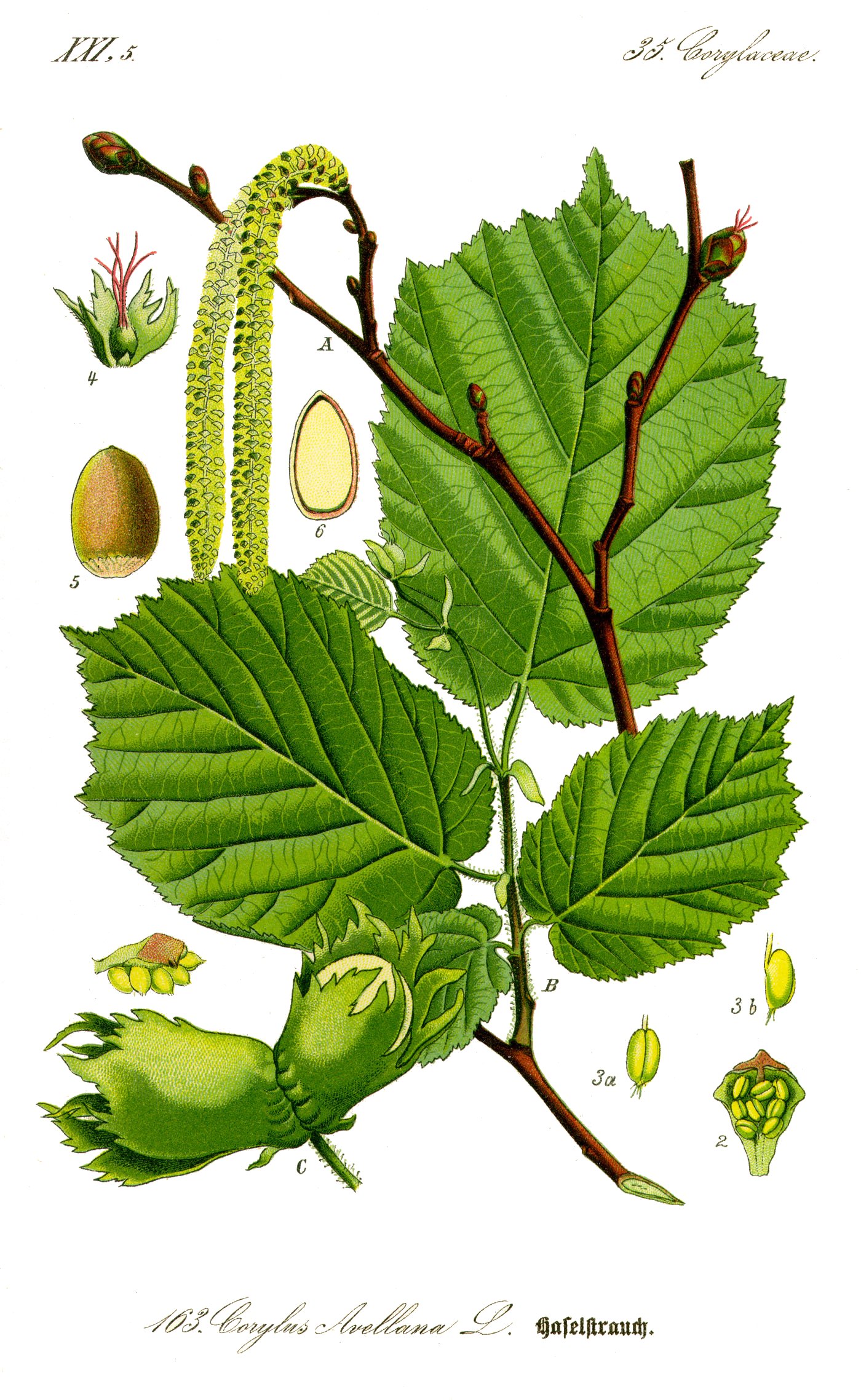
County Donegal, in north-western Ulster, has working stick tradition reflecting the western coastal context — less commercially organised than southern Irish traditions, dominated by family and community working register, and distinctive in its mixed-material working culture (use of hazel and ash alongside blackthorn, rather than the blackthorn-dominant character of southern Irish working tradition).
This page covers the Donegal stick-making tradition. For the broader Irish context, see Ireland and Regional stick styles of Ireland. For the county-level distribution, see Blackthorn county by county.
Quick reference
| Regional location | County Donegal, north-western Ulster |
| Substantial historical working period | Eighteenth to twentieth century; continuity throughout |
| Canonical working materials | Blackthorn, hazel, ash (substantially mixed materials) |
| Working register | Family and community working rather than substantial commercial production |
| Distinctive characteristics | Mixed-material working culture; substantial coastal Ulster context; Donegal-tradition simplicity |
| Modern community | Limited substantial commercial activity; family teaching continuity |
Donegal working context
Donegal’s working stick tradition reflects the geographic and cultural context:
Coastal Ulster geography — Donegal’s substantial Atlantic coastal context produces distinctive working conditions:
- Substantial north-western Atlantic exposure shaping hedgerow growth patterns
- Substantial upland farming context (substantial sheep-farming economy)
- Substantial rural working economy preserved through the twentieth century
- Substantial Gaelic cultural-linguistic continuity (substantial Gaeltacht communities)
Mixed hedgerow ecology — Donegal hedgerows produce substantial mixed working stock:
- Substantial blackthorn supply (less concentrated than southern Irish hedgerows but substantial)
- Substantial hazel supply (Donegal’s hazel populations distinguish it from blackthorn-dominated southern Irish working contexts)
- Substantial ash supply for hill-walking working stick supply
- Modest rowan, holly, and hawthorn supply
Position in Ulster — Donegal is one of the three Ulster counties in the Republic of Ireland
Working register characteristics
The Donegal working stick tradition is distinctive in:
Family and community working register — Donegal working sticks were produced by family makers for family and community use rather than for substantial commercial retail. The twentieth-century rural working community sustained this register substantially longer than substantial commercial-tradition Irish regions
Mixed-material working — use of hazel and ash alongside blackthorn distinguishes Donegal from substantially blackthorn-dominant southern Irish working tradition
Smaller working dimensions — Donegal pieces tend toward the smaller end of typical Irish range, reflecting working hill-walking use rather than defensive register
Modest decoration — Donegal pieces have plain knobs or modest root burls; substantial decoration is uncommon
Simple working finish — oil rather than polished beeswax; working register rather than presentation register
The Antrim Bata school and Donegal
The journal has found no source linking the Antrim Bata school to the Donegal stick-making tradition, and makes no claim of cross-county lineages, shared construction conventions or cross-border teaching. The one Donegal reference the journal found on the school’s own blog is a Donegal Democrat report of 23 November 1923 on a faction fight between Ramseys and Blackwoods, which the blog’s author says, as far as he knows, involved Ramseys not related to the family that preserved Antrim Bata. See The Antrim Bata tradition.
Twentieth-century continuity
The Donegal working stick tradition substantially survived twentieth-century rural-economy transformation:
Substantial family transmission — substantial multi-generational family teaching transmission preserved working tradition
Substantial Gaeltacht cultural continuity — Donegal Gaeltacht communities preserved broader rural cultural continuity that supported working stick tradition
Substantial working hill-farming continuity — Donegal sheep-farming economy sustained working stick demand
Substantial emigrant tradition — Donegal emigration to Scotland, Northern England, and broader Anglophone destinations carried Donegal working stick tradition
Modern Donegal working community
The modern Donegal stick-making community is modest:
- Substantial family teaching lines preserving working tradition through community continuity
- Small commercial working community in Donegal town, Letterkenny, and broader regional centres
- Substantial Gaeltacht working community in the Donegal Gaeltacht areas
- Substantial Donegal antique-restoration community specialising in vintage Donegal working stick restoration
The journal does not currently maintain a recommended-makers list for Donegal tradition. The Crafts Council of Ireland and Donegal County Council heritage resources are the standard starting points for buyers wanting to identify working Donegal makers.
Donegal working register identification
A “Donegal piece” typically reads as:
- Blackthorn, hazel, or ash shaft — substantial mixed-material working
- Plain knob or modest root burl at the head
- Modest decoration — plain brass band or no collar
- Hand-rubbed oil finish — working register rather than presentation polish
- Often unmarked — Donegal pieces lack maker identification
Identification of Donegal pieces depends substantially on broader contextual information (provenance, family attribution, regional construction conventions) rather than maker identification.
Cross-tradition connections
The Donegal stick-making tradition connects substantially to:
Northern Ireland — the neighbouring jurisdiction. See Northern Ireland.
Broader Irish tradition — cultural continuity. See Ireland.
Donegal emigrant tradition — Donegal emigration to Scotland, Northern England, and broader Anglophone destinations carries Donegal working stick tradition. See American-Irish diaspora sticks.
A note on coverage
The Donegal stick-making tradition is substantial but less commercially organised and less internationally visible than southern Irish traditions. The journal’s coverage is currently partial; expansion would benefit substantially from contributions from working Donegal makers, Donegal Gaeltacht working tradition specialists, and Donegal local-historical-tradition specialists.
Where to commission
For Donegal-tradition commissions specifically, the Crafts Council of Ireland membership directory and Donegal County Council heritage resources are the standard starting points. For broader Irish working maker commissions, see The makers page. For commissioning context generally, see Commissioning a bespoke stick.
Sources & further reading
- Patrick D. O'Donnell — The Irish Faction Fighters of the 19th Century (1975), Anvil Books / WorldCat
- Crafts Council of Ireland / Design & Crafts Council Ireland, Design & Crafts Council of Ireland
- Donegal County Council — local heritage and craft resources, Donegal County Council
- Dúchas — National Folklore Collection of Ireland, University College Dublin
Related reading
- historyBlackthorn county by county
The Irish blackthorn-stick tradition mapped across the working counties — Wicklow, Kerry, Cork, Donegal, Antrim, and the broader four-province distribution — and how each county's hedgerows, climate, and working culture shaped the local register.
- historyRegional stick styles of Ireland
How to identify an Irish walking stick or shillelagh by its county or regional origin — Wicklow, Kerry, Cork, Donegal, Antrim, and the broader Munster, Leinster, Connacht, Ulster traditions.
- historyCork stick makers
The Cork working stick tradition — nineteenth-century commercial activity, the distinctive Cork carved-handle subtradition, the smaller modern community, and the regional connections to Kerry, Limerick, and the broader Munster working register.
- woodsIs Hazel a Hardwood?
The coppice wood par excellence — light, springy, abundant, and with the longest unbroken folk-tradition of any British or Irish tree.