Cork stick makers
The Cork working stick tradition — nineteenth-century commercial activity, the distinctive Cork carved-handle subtradition, the smaller modern community, and the regional connections to Kerry, Limerick, and the broader Munster working register.
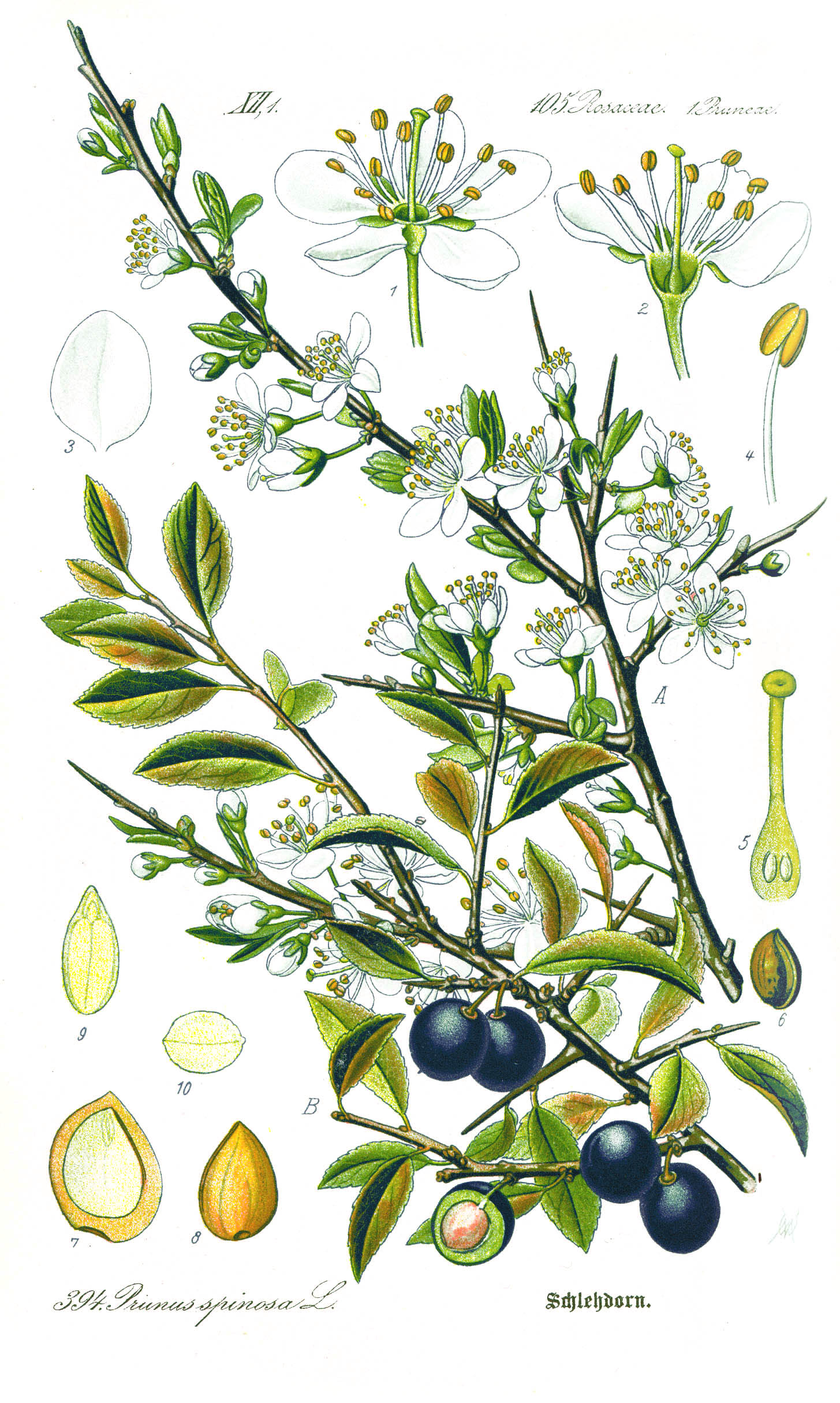
County Cork, in southern Munster, has working stick tradition through the nineteenth and early twentieth centuries, with a distinctive Cork carved-handle subtradition that produced regionally-specific pieces. The modern Cork working community is smaller than the Kerry tradition but maintains continuity through small commercial workshops and family teaching lines.
This page covers the Cork working stick tradition. For the broader Irish context, see Ireland and Regional stick styles of Ireland. For the county-level distribution map, see Blackthorn county by county.
Quick reference
| Regional location | County Cork, Munster, southern Ireland |
| Substantial historical working period | Nineteenth and early twentieth centuries |
| Canonical working materials | Blackthorn (primary); ash (substantial); occasional hazel |
| Distinctive subtradition | Cork carved-handle working stick |
| Modern community | Smaller than Kerry; smaller commercial workshops and family teaching lines |
| Regional connections | Substantial cross-tradition with Kerry, Limerick, and broader Munster region |
Cork working hedgerow context
County Cork is substantial in area (the largest Irish county by surface area) and has substantial hedgerow supply for working stick production:
Substantial blackthorn supply — Cork hedgerows produce blackthorn working stock; the regional climate (wet south-west Munster conditions) produces substantial hedgerow growth
Substantial ash supply — Cork’s mixed-farming landscape supports ash populations for working stick production
Modest hazel and hawthorn — secondary working materials
Coastal vs inland variation — substantial difference between West Cork coastal working conditions and inland Munster conditions; the working tradition reflects this geographic substantial diversity
The Cork carved-handle subtradition
The substantial distinctive Cork contribution to the broader Irish working stick world is the carved-handle subtradition. Where most Irish working sticks use natural root burls (substantially canonical in Wicklow and Kerry traditions) or polished thumb-shapes, the Cork tradition includes hand-carved-handle working:
Cork carved-handle characteristics:
- Animal or figural head carving — Cork carved-handle work features animal heads (eagles, dogs, sometimes horses or game birds)
- Decorative inscription — Cork pieces include hand-carved inscriptions or initials
- Substantial hand-carved presentation pieces — Cork makers worked substantially in presentation register through the nineteenth century
- Distinctive Cork-tradition motifs — regional motif vocabulary
The carved-handle subtradition is less common in modern Cork working production than in nineteenth-century traditions, but historical pieces survive in family collections and regional museum holdings.
Nineteenth-century commercial working
Cork City and the broader Cork region had substantial commercial walking-stick production through the nineteenth century:
- Substantial urban Cork City commercial workshops — Cork City retail and commercial production
- Substantial regional working makers — substantial network of small commercial workshops across the county
- Substantial export to Britain and broader Europe — Cork working sticks reached substantial international markets through the nineteenth-century commercial trade
- Substantial cross-tradition with Limerick and Kerry — regional commercial network
The Cork commercial tradition declined through the twentieth century as urban Cork’s broader manufacturing economy transformed, but historical legacy remains in family collections and regional museum holdings.
Modern Cork working community
The modern Cork stick-making community is smaller than the Kerry community but maintains continuity:
- Small commercial workshops in Cork and broader Munster
- Family teaching lines maintaining working tradition transmission
- Crafts Council of Ireland-affiliated makers in Cork
- Substantial cross-tradition working with Kerry makers
- Substantial Cork antique-restoration community specialising in vintage Cork working stick restoration
The journal does not currently maintain a recommended-makers list for Cork tradition. The Crafts Council of Ireland and the broader Irish working maker directories are the standard starting points for buyers wanting to identify working Cork makers.
Cork working register characteristics
A “Cork piece” typically reads as:
- Blackthorn shaft — canonical Irish material
- Hand-carved or polished thumb head — distinctive Cork-tradition handle work
- Modest working dimensions — sized for working walking rather than defensive use
- Working register — pieces read as tools rather than decorative pieces
- Modest decoration — substantial brass band rather than silver collar (some presentation pieces include silverwork)
Identification of Cork pieces benefits substantially from named-maker attribution; substantial older Cork pieces lack maker identification, and regional identification depends on construction conventions plus broader contextual information.
Cross-tradition connections
The Cork stick-making tradition connects substantially to:
Kerry tradition — cross-county working with the modern Kerry centre; substantial shared working conventions. See Blackthorn county by county for the broader county distribution.
Limerick and Munster broader tradition — cross-tradition working
Wicklow canonical tradition — cultural-historical continuity through the broader Irish tradition
Donegal tradition — substantial parallel rural working tradition. See Donegal stick makers.
Bataireacht tradition — Cork participation in the historical faction-fighting tradition that shaped Munster working stick conventions. See Bataireacht.
Cork emigrant tradition — Cork emigration to North America, Australia, and broader Anglophone destinations carried Cork working stick tradition substantially. See American-Irish diaspora sticks.
A note on coverage
The Cork stick-making tradition is substantial but less commercially organised in the modern period than the Kerry tradition. The journal’s coverage is currently partial; expansion would benefit from contributions from working Cork makers, Cork antique-cane specialists, and Cork local-historical-tradition specialists.
The Cork carved-handle subtradition specifically warrants scholarly attention; historical pieces in family and museum collections would substantially benefit from coordinated documentation work.
Where to commission
For Cork-tradition commissions specifically, the Crafts Council of Ireland membership directory is the standard starting point. For broader Irish working maker commissions, see The makers page. For commissioning context generally, see Commissioning a bespoke stick.
Sources & further reading
- Patrick D. O'Donnell — The Irish Faction Fighters of the 19th Century (1975), Anvil Books / WorldCat
- Crafts Council of Ireland / Design & Crafts Council Ireland, Design & Crafts Council of Ireland
- Dúchas — National Folklore Collection of Ireland, University College Dublin
- Cork City and County Archives — local historical records, Cork City and County Archives
Related reading
- historyBlackthorn county by county
The Irish blackthorn-stick tradition mapped across the working counties — Wicklow, Kerry, Cork, Donegal, Antrim, and the broader four-province distribution — and how each county's hedgerows, climate, and working culture shaped the local register.
- historyRegional stick styles of Ireland
How to identify an Irish walking stick or shillelagh by its county or regional origin — Wicklow, Kerry, Cork, Donegal, Antrim, and the broader Munster, Leinster, Connacht, Ulster traditions.
- historyDonegal stick makers
The Donegal working stick tradition — the substantial coastal Ulster working community, the family-and-community working register (less commercial than southern Irish traditions), and the distinctive mixed-material working culture.
- woodsBlackthorn Wood: Seasoning, Uses
The hedgerow tree behind most Irish sticks: dense, dark, slow-growing, and beloved of hedge-witches.