Blackthorn county by county
The Irish blackthorn-stick tradition mapped across the working counties — Wicklow, Kerry, Cork, Donegal, Antrim, and the broader four-province distribution — and how each county's hedgerows, climate, and working culture shaped the local register.
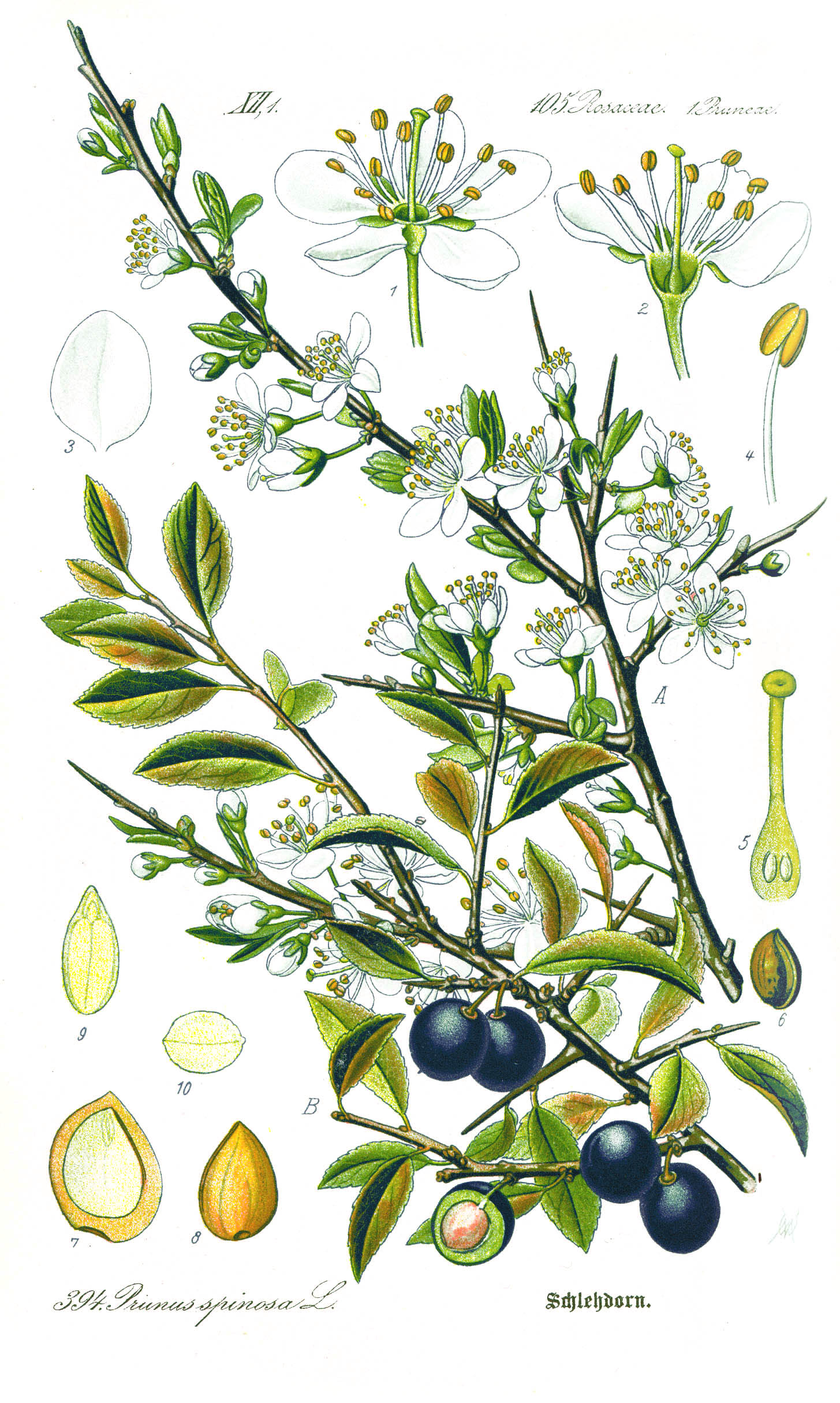
The Irish blackthorn-stick tradition is a single botanical species (Prunus spinosa) worked across the entire island, but the regional working register varies meaningfully county by county. The hedgerow ecology, the local climate (blackthorn growth differences between the wet west and the drier east), the historical working economies, the family teaching traditions, and the surviving twentieth-century working communities all produced distinct county-level patterns.
This page is the county-level reference. For the broader Irish cluster context, see Ireland. For Northern Ireland specifically, see Northern Ireland. For regional identification markers, see Regional stick styles of Ireland.
Wicklow — the canonical heartland
County Wicklow, in eastern Leinster, anchors the canonical Irish blackthorn tradition. The village of Shillelagh in south Wicklow gives the form its name (see The village of Shillelagh, Wicklow).
Wicklow working hedgerow context:
- Substantial blackthorn populations across Wicklow upland hedgerows
- Adjacent oak populations (Coolattin estate, Crone Woods, Tomnafinnoge Wood) provided the secondary working material
- Substantial historical working tradition through the nineteenth and twentieth centuries
- Decline through the mid-twentieth century as rural working economy contracted
- Modest contemporary revival activity
Wicklow markers:
- Substantial root-burl heads
- Working register dominant
- Oak as secondary material (distinctive among Irish regions)
- Hand-rubbed beeswax finish convention
Kerry — the modern working centre
County Kerry, in south-west Munster, is the modern centre of Irish working stick production. The substantial contemporary working maker community concentrates particularly around Killorglin in central Kerry; the journal’s editorial recommended maker (McCaffrey Crafts) is a Killorglin-based working community.
Kerry working context:
- Substantial blackthorn populations in Kerry hedgerows (the wet west’s heavy hedgerow growth produces working stock)
- Modern commercial working culture more developed than other Irish regions
- Substantial Crafts Council of Ireland recognition for Kerry working tradition
- Active commission market
Kerry markers:
- Predominantly blackthorn working material
- Substantial natural root-burl heads
- Working-grade and show-grade dominant
- Hand-finished surface with thorn-stub character preserved
For the working maker context, see The makers page.
Cork — the working tradition
County Cork, in southern Munster, has historical working stick tradition through the nineteenth and early twentieth centuries, though less commercially organised than Wicklow or Kerry in the modern period.
Cork working context:
- Substantial Cork hedgerow blackthorn supply
- Substantial historical working community through nineteenth century
- Smaller modern commercial community
- Substantial cross-tradition working with Kerry and Limerick neighbours
Cork markers:
- Blackthorn and ash both common in working stock
- Modest decoration register
- Sometimes carved-handle subtradition (less common in other Irish regions)
- Working register dominant
For the dedicated Cork makers reference, see Cork stick makers.
Donegal — the coastal working tradition
County Donegal, in north-western Ulster, has working stick tradition reflecting the western coastal context. The tradition is community/family rather than substantially commercially organised.
Donegal working context:
- Substantial Donegal blackthorn populations in coastal hedgerows
- Substantial historical working community for family and community use
- Limited commercial working in the modern period
- Substantial folk-tradition register
Donegal markers:
- Blackthorn, hazel, and ash all common
- Working tradition prominent
- Smaller working dimensions
- Plain knobs or modest root burls
- Simple oil finish
For the dedicated Donegal makers reference, see Donegal stick makers.
Antrim — the Bata centre
County Antrim, in north-eastern Ulster (Northern Ireland), is the county the Antrim Bata school traces its family line to; the school says it knows of two surviving traditions of bataireacht.
Antrim Bata context:
- Faction-fight use “at least up to the mid 19th century”, on the school’s account
- The school’s listed teaching groups are outside Northern Ireland (see the Antrim Bata page)
Antrim lineage (the journal has found no published description of Antrim stick markers):
- A specific family lineage (the Ramsey family, on the Antrim Bata school’s own account)
For the dedicated Antrim Bata reference, see The Antrim Bata tradition.
Galway and Mayo — the western tradition
Counties Galway and Mayo, in western Connacht, have folk-tradition working stick register less commercially organised than southern Irish counties.
Galway/Mayo working context:
- Substantial western blackthorn populations
- Folk-tradition working register dominant
- Limited commercial working community
- Substantial hazel as secondary working material
Galway/Mayo markers:
- Hazel substantial in working stock
- Modest decoration
- Working register dominant
- Family rather than commercial production typical
Tipperary, Limerick, Clare — the Munster middle
The middle Munster counties (Tipperary, Limerick, Clare) have working stick tradition but less internationally visible than Kerry or Cork.
Munster middle working context:
- Substantial blackthorn supply across the counties
- Working tradition through nineteenth and twentieth centuries
- Smaller modern commercial communities
- Substantial cross-tradition working with Kerry, Cork, Galway neighbours
Markers:
- Substantial blackthorn
- Modest working decoration
- Working register
Wexford, Carlow, Kilkenny — the south-east
The south-eastern Leinster counties (Wexford, Carlow, Kilkenny) sit close to Wicklow tradition with cross-tradition vocabulary.
South-east working context:
- Substantial cross-county working with Wicklow
- Modest commercial working communities
- Substantial folk-tradition register
- Substantial historical working through nineteenth century
Down, Armagh, Tyrone — the broader Ulster
The other Northern Ireland counties beyond Antrim have working stick tradition (the journal has found no published description of distinct regional markers).
Other Ulster working context:
- Substantial cross-border working with Donegal and broader Republic-of-Ireland tradition
- Modest commercial working communities
For the broader Northern Ireland context, see Northern Ireland.
Dublin and the urban tradition
County Dublin, particularly the city, maintains substantial urban gentleman’s-cane tradition distinct from rural working tradition:
- Substantial Victorian-Edwardian Dublin gentleman’s-cane culture
- Substantial Dublin antique-cane collector community
- Less working blackthorn tradition than rural counties
- Substantial cross-tradition with London urban-cane tradition
How regional variations developed
The county-level variations developed through several factors:
Hedgerow ecology — regional differences in hedgerow density, blackthorn maturity, and stem character produce regional differences in working stock availability and quality
Working economies — different historical rural working economies (mixed farming vs grazing vs upland sheep) produced different working stick demand patterns
Family teaching traditions — family-line working transmission preserved regional conventions across generations
Faction-fighting tradition — the nineteenth-century Irish faction-fighting tradition (see Patrick O’Donnell’s The Irish Faction Fighters) had substantial county-by-county variation that shaped local working stick conventions
Twentieth-century decline patterns — different counties saw working stick tradition decline at different rates through the twentieth century, producing different surviving regional working communities
Modern county distribution
The modern Irish working stick community is substantially concentrated in:
- Kerry — the modern centre
- Wicklow — modest contemporary revival
- Cork — small but consistent community
- Donegal — limited commercial activity
- Antrim — see The Antrim Bata tradition; the journal has found no source on commercial stick-making in the county
Other counties maintain working stick tradition at family and community scale rather than substantial commercial production.
Where to commission
For Kerry-tradition commissions specifically, see The makers page. For other regional traditions, the Crafts Council of Ireland is one starting point.
For the broader regional stylistic identification, see Regional stick styles of Ireland. For the village-of-Shillelagh historical context, see The village of Shillelagh, Wicklow. For the Bataireacht martial tradition, see Bataireacht and The Antrim Bata tradition.
Sources & further reading
- Patrick D. O'Donnell — The Irish Faction Fighters of the 19th Century (1975), Anvil Books / WorldCat
- Niall Mac Coitir — Irish Trees: Myths, Legends & Folklore (2003), Collins Press
- Estyn Evans — Irish Folk Ways (1957), WorldCat
- Dúchas — National Folklore Collection of Ireland, University College Dublin
Related reading
- historyRegional stick styles of Ireland
How to identify an Irish walking stick or shillelagh by its county or regional origin — Wicklow, Kerry, Cork, Donegal, Antrim, and the broader Munster, Leinster, Connacht, Ulster traditions.
- historyThe village of Shillelagh, County Wicklow
A small village in south Wicklow that gave its name to a stick — or, on the other etymology, didn't. Either way, it is worth knowing about.
- historyBataireacht
Irish stick-fighting — once everywhere in rural Ireland, suppressed for over a century, taught now by a small number of teachers and clans.
- woodsBlackthorn Wood: Seasoning, Uses
The hedgerow tree behind most Irish sticks: dense, dark, slow-growing, and beloved of hedge-witches.