Willow
The lightest viable working stick wood — soft, springy, traditional in lowland hand-stave use, the canonical cricket-bat material in one specific cultivar, and a distinct lighter-weight option for weight-sensitive carriers.
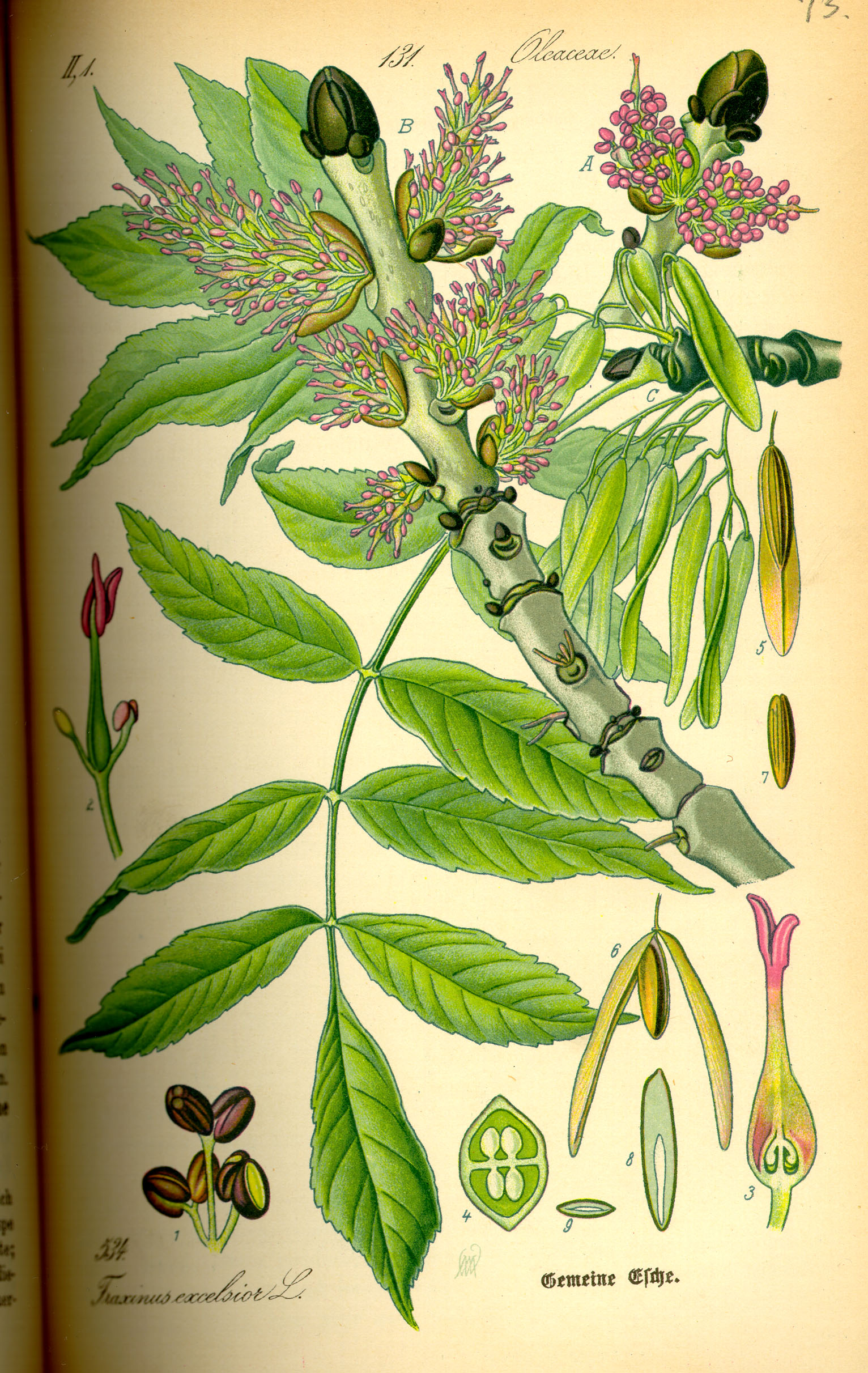
Willow is the lightest viable working stick wood in the British and Irish native tradition. At about 400 kg/m³ (white willow, per the Wood Database), willow is about 59% of the density of English oak (~675 kg/m³), roughly 41% lighter. The weight reduction is substantial; the trade-off is softer surface character (less durability under hard wear) and a lighter aesthetic register.
This page covers willow as a stick wood. For the broader other-niche-woods context, see Other woods of note. For the use-case-specific lightweight conversation, see Best stick for arthritis and Best stick for shorter walkers.
Quick reference
| Common names | Willow, white willow, sallow (regional names) |
| Binomial | Salix alba (white willow, the canonical stick species); other Salix species enter the broader trade |
| Family | Salicaceae |
| Native range | Most of Europe; western Asia; widespread in lowland Britain and Ireland |
| Habit | Substantial tree (white willow); shrub or small tree for other Salix species |
| Bark | Greyish-brown, deeply furrowed on mature trees |
| Leaves | Lanceolate, 5-12 cm, silvery-white underside (diagnostic for white willow) |
| Flowers | Catkins (separate male and female trees); spring |
| Wood density | ~400 kg/m³ at 12% MC |
| Janka hardness | ~2,530 N (~570 lbf) |
| Working tradition | Lightweight hand-staves and walking sticks; cricket-bat tradition (specific cultivar); basket-making |
The plant
The willow family is enormously varied. The species relevant to stick-making in Britain and Ireland is principally white willow (Salix alba) and its hybrid with crack willow (Salix × fragilis) — both lowland riverside species, fast-growing, light-wooded, common across British and Irish riparian and lowland landscape.
Three features identify white willow in the field:
The leaves. Lanceolate (narrow, pointed) leaves, 5-12 cm long, with finely serrated margins. The most diagnostic feature is the silvery-white underside — the lower leaf surface is covered with fine silky hairs that give the leaf a distinctive bright underside, visible when the wind turns the leaves over. This silvery character gives the species its common name “white willow”.
The bark and growth habit. Greyish-brown bark, deeply furrowed on mature trees. The tree grows rapidly and can reach substantial size (25 m+) in good riparian conditions. The growth habit is typically multi-stem at the base with one or more dominant leaders.
The riparian habitat. White willow is overwhelmingly associated with riverside and wet-ground habitat. Lowland river valleys, canal margins, marsh edges, and fenland landscapes commonly carry substantial willow populations.
White willow grows rapidly and short-lived — typically 50-100 years, occasionally substantially longer in protected riparian conditions.
The cricket-bat connection
One of the most distinctive aspects of British willow culture is the cricket-bat tradition. Cricket bats are made from a specific cultivar of white willow — Salix alba ‘Caerulea’ (also called Hampshire willow or English willow) — selected over centuries for the impact-cushioning grain character that suits the cricket-bat application.
The cricket-bat willow industry is a substantial niche industry in southern and eastern England (Essex, Suffolk, Cambridgeshire, parts of Hampshire). The wood is grown specifically for cricket bats, harvested at 12-15 years for a tree of suitable size, and processed through specialised cricket-bat manufacturing.
The cricket-bat selection is dimensionally and grade-wise different from anything used in stick-making, but the underlying timber is the same species. Walking-stick willow can be obtained from general working stock (not from the specialised cricket-bat industry); the dimensional requirements and quality conventions differ substantially.
For the cricket-bat working tradition, see the broader cricket-bat-making craft literature and the Marylebone Cricket Club Laws of Cricket which govern bat specifications.
The wood
Willow is the lightest viable working stick wood:
Density — ~400 kg/m³ at 12% MC. Substantially less dense than European ash (~680 kg/m³) or English oak (~675 kg/m³). The mass-in-the-hand is meaningfully light.
Hardness — Janka ~2,530 N. The softest of the commonly-worked British native woods. The wood scratches and dents more readily than any other working stick material.
Colour — pale cream to honey-tan when fresh-cut. Develops to a light amber over years and decades of handling; less dramatic colour development than cherry or yew.
Grain — straight, fine, even-textured. Workable to clean detail; takes hand tools easily.
Working surface — willow shows handling wear faster than denser woods. A willow stick after 5 years of regular use shows substantially more surface character (small dents, scrapes, accumulated marks) than a blackthorn stick of similar age.
Working willow
Working notes for makers and informed buyers:
Seasoning — fast. The relatively light wood seasons in 6-12 months from properly-handled stem stock, substantially less than blackthorn or oak.
Stem selection — willow stems of suitable dimension (22-30mm) at adequate length (33-42 inches) are abundant from working riparian landscape. The dimensional supply is excellent; working makers can usually find suitable willow without difficulty.
Cutting and shaping — willow works easily with hand tools. The soft grain shapes cleanly; rapid working compared to denser woods.
Finishing — willow takes finishing well but the soft surface requires careful approach. Hand-rubbed beeswax or oil produces a quiet warm finish; heavier finishes (lacquer, polyurethane) tend to look uniform-machine-finished rather than crafted.
Durability — willow walking sticks have shorter working life than denser-wood equivalents. Expect 10-20 years of regular use rather than the 30-50+ years of blackthorn or oak. The trade-off is the substantial weight saving.
Willow as a walking stick — buyer considerations
For buyers considering a willow walking stick:
Use case — willow suits buyers prioritising minimal carrying weight above other considerations:
- All-day-walking enthusiasts carrying a stick for 4-8 hours daily
- Older users with shoulder or wrist concerns where lighter is materially better
- Users with arthritic concerns in the carrying shoulder or wrist (see Best stick for arthritis)
- Users with smaller frames where standard-weight sticks feel disproportionate (see Best stick for shorter walkers)
- Lowland flat-ground walkers where the soft wood doesn’t encounter substantial impact
Aesthetic register — quiet, pale, modest. Less assertive than blackthorn or oak; less coloured than cherry. Suits buyers who prefer understated working sticks.
Working life — shorter than denser woods. Buyers should expect a willow stick to require more careful handling and to show wear marks faster than alternatives.
Price — typically working-grade pricing (£140-£240). The fast seasoning and easy working keep production costs modest.
Stock vs commission — moderate stock availability with some working makers. Commissioning is usually straightforward; lead times 4-8 weeks for working-grade commissions.
Willow compared with other stick woods
Within the British native woods:
- Against ash — willow is substantially lighter (about 41% less dense: ~400 against ~680 kg/m³) but softer and less durable; ash is the canonical light working stick wood, willow is the niche even-lighter alternative
- Against hazel — both produce light working sticks (hazel has no published density figure to compare); hazel is more durable
- Against blackthorn — completely different register; willow is dramatically lighter but lacks the cultural register, durability, or aesthetic substance of blackthorn
- Against elder — both produce light working sticks; elder is more complicated to work due to the pithy core
For the broader other-niche-woods context, see Other woods of note. For the four-canonical-wood comparison, see Holly vs blackthorn vs oak vs ash.
Willow beyond walking sticks
Willow has substantial working tradition outside stick-making:
- Basket-making — willow withies (long flexible shoots from coppiced willow) are the canonical British and Irish basket-making material. Substantial industry in the Somerset Levels and parts of Ireland.
- Charcoal — willow charcoal traditionally used for fine drawing charcoal; the canonical artist’s charcoal material.
- Cricket bats — see above
- Wicker furniture — substantial Continental and British tradition
- Salicylic acid (medicinal) — willow bark is the historical source of salicin and salicylic acid (the precursor to aspirin). Substantial folk-medical tradition.
- Riverside stabilisation — willow’s rapid root growth makes it the canonical riparian stabilisation tree across British and Irish landscape
The walking-stick use is one specific application of a substantial working tree species.
Where to commission
Willow walking sticks are available from working makers but uncommon at higher grades. Buyers wanting a willow commission should:
- Confirm the wood species with the maker — most working makers stock white willow; some carry crack willow or hybrid species
- Discuss the durability expectation explicitly — the maker should set realistic expectations about working life
- Accept the working-grade register — willow doesn’t typically commission to show-grade or presentation tier
- Consider whether the weight saving justifies the trade-off — the weight saving over ash (white willow is about 400 kg/m³ against about 680 for ash) matters for some users; not for others
For commissioning, see The makers page and Commissioning a bespoke stick. For the broader use-case-specific guides where willow is genuinely the right choice, see Best stick for arthritis and Best stick for shorter walkers.
Sources & further reading
- Salix alba L. — Plants of the World Online, Plants of the World Online, Royal Botanic Gardens, Kew
- White willow — A-Z of British Trees, Woodland Trust
- The Wood Database — White willow, The Wood Database
- Marylebone Cricket Club — Laws of Cricket (cricket-bat specifications), MCC
Related reading
- woodsAsh
The springy, impact-resistant wood of staves, tool handles, and the Irish hurling stick — and the species now in the middle of a Europe-wide health crisis.
- woodsIs Hazel a Hardwood?
The coppice wood par excellence — light, springy, abundant, and with the longest unbroken folk-tradition of any British or Irish tree.
- woodsOther woods of note
Crab apple, cherry, beech, willow, dogwood, elder, and yew — the second-tier stick woods that supplement rather than replace the canonical hardwoods.
- guidesThe best walking stick for shorter walkers (under 5'4)
Sizing, weight, and handle recommendations for walkers under 5'4 — where the standard Irish stick is too long, too heavy, and proportionately wrong, and what to specify instead.