How to restore a vintage walking stick
When and how to restore an inherited, acquired, or rediscovered vintage walking stick — assessment, deciding what to preserve, the conservative restoration approach, and when professional restoration is appropriate.
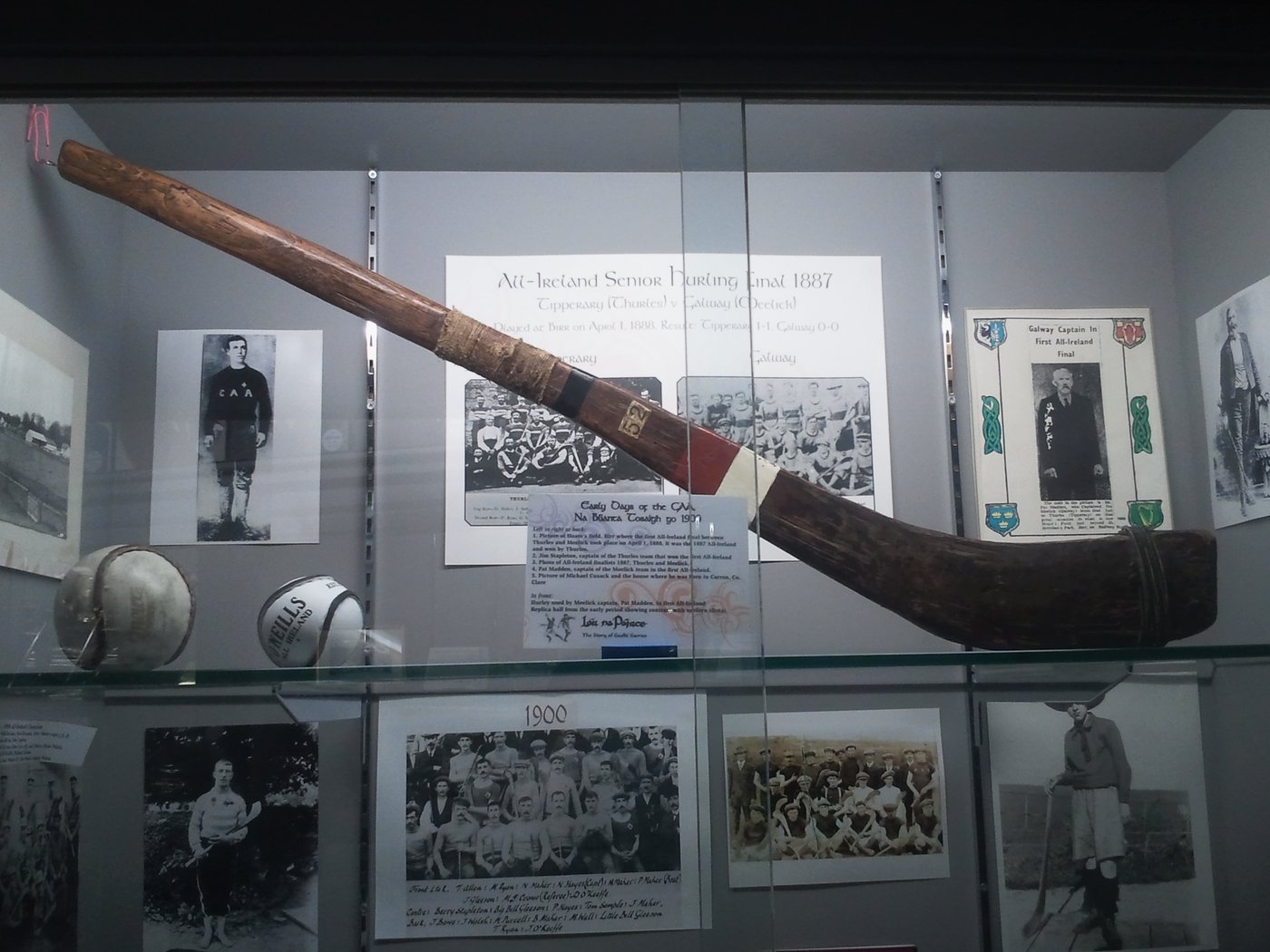
A vintage walking stick — inherited from family, acquired at auction, found in an attic, bought at a country sale — sits at the intersection of working object and historical artefact. Restoration choices affect both registers. This guide covers the practical approach.
For dating and identification, see Dating a vintage walking stick. For broader maintenance, see How to care for a blackthorn stick.
Initial assessment
Before any restoration work:
- Photograph the stick comprehensively from multiple angles, with close-ups of any marks, silverwork, or distinctive features. Photographs preserve the pre-restoration state if questions arise later.
- Identify the age and provenance if possible. See Dating a vintage walking stick for the diagnostic markers.
- Identify the maker if possible. See Makers’ marks catalogue and Makers’ marks by region.
- Decide the working purpose:
- Working stick — to be used as walking aid going forward
- Display piece — to be preserved for visual register without working use
- Family heirloom — preserved with substantial original character; occasional ceremonial carry
- Investment piece — preserved with minimal intervention; value-preservation priority
The decision substantially affects how aggressively to restore.
The conservative approach
For most vintage pieces, conservative restoration is appropriate:
What conservative restoration includes:
- Gentle cleaning of accumulated dirt
- Light oiling of dry wood
- Tightening or refitting loose ferrules
- Replacing broken or substantially-worn straps
- Reattaching loose head fittings (where the original glue has failed)
What conservative restoration avoids:
- Stripping the surface
- Refinishing with new materials
- Replacing original parts where the originals can be retained
- Polishing silverwork beyond gentle cleaning
- Sanding or filing the wood
The conservative approach preserves original patina, original materials, and original character — the things that distinguish a vintage piece from a modern reproduction.
The aggressive approach
For sticks where conservative restoration won’t produce a working result:
What aggressive restoration includes:
- Full surface stripping
- Refinishing with new oil or wax
- Sectional replacement of severely damaged wood
- Replacement of broken silverwork
- New ferrule, strap, and fittings
When aggressive restoration is appropriate:
- The stick is too damaged for conservative restoration to produce a working result
- The piece is a working stick rather than a display piece
- The buyer specifically wants a “as-good-as-new” working result
- The piece has modest value where preservation isn’t the primary concern
For substantially-valuable pieces, the aggressive approach often reduces value substantially. Consider carefully before stripping.
The procedure (conservative)
For most vintage pieces:
Step 1: Cleaning
- Dry-brush with a soft natural-bristle brush to remove loose dust and debris
- Damp-wipe with a barely-damp soft cloth — slight moisture only, never wet
- Apply a small amount of mineral spirits to a clean cloth and wipe gently to remove accumulated dirt and old polish
- Don’t scrub — gentle wiping only
Step 2: Surface assessment
After cleaning, assess what’s left:
- Wood condition — sound? Cracks? Soft spots?
- Surface finish — substantially intact? Damaged in patches? Missing entirely?
- Silverwork (if present) — tarnished? Damaged? Loose?
- Strap (if present) — present? Functional? Original?
- Ferrule — original? Functional? Loose?
Step 3: Targeted intervention
For each problem found, apply the minimum intervention:
Dry wood surface — apply thin coat of boiled linseed oil or beeswax paste. See How to oil a stick step by step. One coat may be sufficient; vintage wood often needs only modest finish.
Loose ferrule — re-seat with small amount of wood glue. See How to fit a brass ferrule. Avoid replacing the original ferrule if it can be saved.
Missing or broken strap — replace with matching leather. See How to replace a leather wrist strap. Match colour and grade to original where possible.
Tarnished silver — gentle polishing only. Use a silver-polishing cloth, not abrasive polish. Avoid removing patina that contributes to character. For substantial silver damage, professional silversmith.
Loose head fitting — reattach with appropriate adhesive. Take care; visible glue residue substantially reduces value.
Step 4: Final review
After intervention:
- Photograph the restored piece from same angles as initial photos
- Compare to identify what’s changed
- Assess whether the result meets the working purpose identified in initial assessment
- Don’t keep working if the result is already appropriate; over-restoration is irreversible
When to call a working maker
For substantial restoration needs:
- High-value pieces — professional assessment first, work second
- Silver collar damage or hallmark concerns — silversmithing expertise needed
- Substantial structural damage — splice, replacement, or major rebuild work
- Pieces with significant provenance — preservation expertise warrants professional care
- Buyers without confidence in their own assessment — professional second opinion is worth the cost
Working maker restoration fees typically £80-£500+ depending on scope and piece value. For substantially-valuable pieces, the professional cost is small relative to the preservation of value.
What restoration doesn’t fix
A few honest acknowledgements:
- Restoration can’t restore lost provenance — once original materials are removed, they’re gone
- Restoration can’t make a low-quality piece into a high-quality piece — working with what’s there
- Restoration can’t compensate for original poor construction — vintage doesn’t automatically mean well-made
- Restoration shouldn’t reverse time — patina, wear, and character are part of the value of a vintage piece
A well-restored vintage piece preserves what made the piece valuable while enabling continued working or display use.
Storage of restored vintage pieces
After restoration:
- Stable indoor conditions — moderate temperature and humidity
- Out of direct sunlight — UV damages both wood and silver over years
- Annual oiling — for working sticks (see How to oil a stick step by step)
- Display options: wall mount, umbrella stand, presentation box. Choose for protection and visibility appropriate to the piece’s register.
- Document the restoration work — keep records of what was done, when, by whom. Important for ongoing provenance.
For substantial vintage pieces, see Best stick for ceremonial use for related display and ceremonial-register context.
Related reading
- guidesDating a vintage walking stick
How to date an inherited or acquired walking stick — the wood, ferrule, head fittings, strap, finish, and silverware markers that locate a piece in a specific historical period.
- guidesHow to refinish a darkened walking stick
Restoring the surface of a stick whose finish has darkened, dulled, or accumulated dirt and surface damage — stripping the old finish, cleaning the wood, and re-oiling for a fresh working surface.
- guidesHow to fit a brass ferrule to a walking stick
Step-by-step replacement of a worn or lost ferrule on a working walking stick — sizing, removal, fitting, securing, and what to do when the shaft end has deteriorated under the old ferrule.
- guidesHow to replace a leather wrist strap
Removing a worn or broken wrist strap and fitting a quality replacement — selection, attachment methods (knot, drilled-through, swivel-fitting), and the small details that distinguish a working repair from a botched one.