Famous stick-carrying figures
Beyond the shillelagh-owner roster — political leaders, military commanders, religious figures, literary characters, and broader cultural icons whose carrying sticks became part of their public identity.
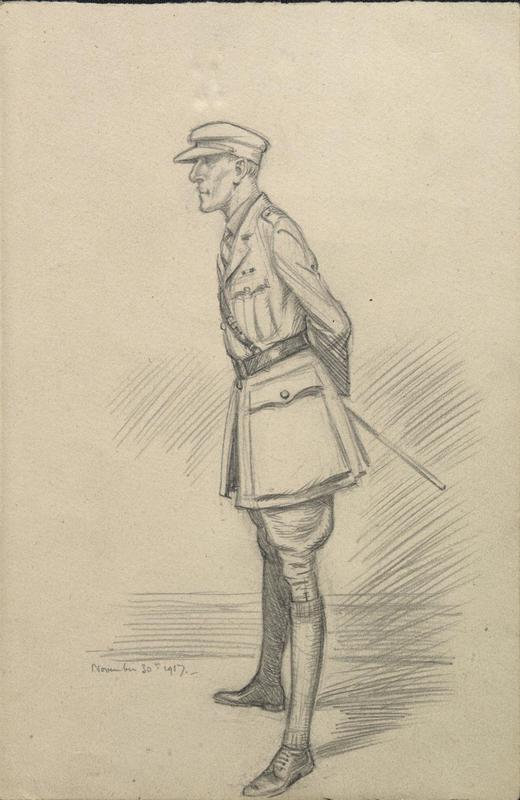
The dedicated Famous shillelagh owners catalogue covers culturally-significant figures specifically associated with the Irish blackthorn-and-shillelagh tradition. This page is the broader catalogue — political leaders, military commanders, religious figures, literary characters, and cultural icons whose carrying sticks became part of their public identity, extending beyond the Irish blackthorn context.
The cultural pattern is consistent across these figures: a public figure carries a specific stick as part of their visible identity register, photographs and depictions repeatedly show the stick, and the stick becomes part of the broader cultural memory of the figure. The pattern crosses political, religious, military, and literary registers.
Political leaders
Winston Churchill — substantial Victorian-Edwardian-tradition gentleman’s cane carrying, particularly visible in his post-Boer-War and Second World War-era public photographs. Churchill’s working walking stick (with silver-handled register) became part of his public-identity register.
Abraham Lincoln — substantial American mid-nineteenth-century working walking stick carrying. Lincoln’s substantial 6’4 height required substantial proportionate walking-stick sizing; substantial photographs and contemporary depictions show his working walking-stick register.
Éamon de Valera — Irish working walking-stick carrying, particularly through his political career into the 1970s. His walking-stick register contributed to his public-identity profile across substantial decades of Irish political life.
W.B. Yeats — walking-stick carrying as part of his substantial poetic-public-figure register. Yeats’s walking sticks survive in family and museum collections.
Theodore Roosevelt — substantial American Progressive-era walking-stick carrying. Roosevelt’s active-outdoor public identity register incorporated walking sticks.
Vladimir Putin — modern political register includes walking-stick carrying at substantial state events; cultural-symbolic register.
Ronald Reagan — substantial Hollywood-era and presidential-era walking-stick carrying for cultural-and-political register.
Mahatma Gandhi — substantial Indian independence-era walking-stick carrying. Gandhi’s substantial simple working bamboo walking stick became substantial international cultural-symbolic register; substantial photographs through the 1930s and 1940s show his walking-stick register.
Military and ceremonial figures
The Duke of Wellington — nineteenth-century military and ceremonial walking-stick carrying; substantial portraits show his substantial gentleman’s-cane register.
Field Marshal Montgomery — a mid-twentieth-century military figure; the journal has not sourced his stick use. See Swagger sticks for the broader military stick register.
General Charles de Gaulle — substantial French military and political walking-stick carrying through his public career.
Earl Mountbatten — substantial mid-twentieth-century military and royal walking-stick register.
General Douglas MacArthur — substantial American military walking-stick carrying through his substantial Pacific War and Korean War careers.
General Patton — substantial mid-twentieth-century American military substantial swagger-stick register.
Religious figures
Pope John Paul II — substantial papal walking-stick carrying through his substantial later papacy as his substantial Parkinson’s disease progressed. His substantial papal walking sticks became public-identity register; substantial pieces survive in Vatican and personal collections.
The Dalai Lama — walking-stick carrying through his public life. His walking sticks reflect substantial Tibetan Buddhist tradition.
Archbishop Desmond Tutu — substantial South African anti-apartheid leader’s public walking-stick register particularly in his substantial elder years.
Various Orthodox patriarchs — substantial Eastern Christian patriarchal walking-stick (the paterissa or bishop’s staff) ceremonial register represents religious-symbolic continuity.
Literary characters and figures
Sherlock Holmes — substantial Arthur Conan Doyle character whose walking-stick register includes substantial reference to bartitsu (which incorporates canne de combat, see Canne de combat). Holmes’s walking sticks shape modern cultural representation of Victorian-era walking-stick carrying.
Charles Dickens characters — substantial Dickens characters carry walking sticks across substantial novels (David Copperfield, Pickwick Papers, Bleak House) reflecting nineteenth-century walking-stick cultural register.
Oscar Wilde — substantial Victorian aesthetic walking-stick carrying as part of public-aesthetic register.
Arthur Conan Doyle himself — walking-stick carrying matches the register he created for Holmes.
Mark Twain — substantial American walking-stick carrying as part of his public-author register.
The character John Wayne played in The Quiet Man — Irish-tradition cinematic walking-stick register; substantial American-Irish cultural reference point.
Victorian and Edwardian cultural icons
The Prince Regent (later George IV) — substantial Regency walking-stick carrying as cultural-aesthetic register.
Beau Brummell — substantial Regency dandyism walking-stick register defining nineteenth-century gentleman’s-cane culture.
Lord Byron — substantial Romantic-poet walking-stick carrying.
Disraeli and Gladstone — substantial Victorian political walking-stick register; substantial photographs and portraits.
Edward VII (as Prince of Wales) — substantial late-Victorian walking-stick carrying defining substantial Edwardian gentleman’s-cane register.
Modern political symbolism
Modern world leaders — walking-stick carrying continues as political-symbolic register:
- Queen Elizabeth II — walking-stick carrying in her substantial later years
- Various US presidents — walking-stick carrying particularly in elder years
- European royal families — substantial ceremonial walking-stick register continues
Independence-movement figures — walking-stick carrying as political-symbolic register:
- Substantial Irish independence figures
- Substantial Indian independence figures (Gandhi above; also substantial Nehru walking-stick register)
- Substantial African independence figures (substantial Kenyatta, Nyerere walking-stick register)
The broader cultural pattern
Several patterns are visible across these figures:
The stick as elder dignity — walking-stick carrying often substantially correlates with elder public status; figures incorporate walking sticks substantially as they age
The stick as cultural-rootedness signal — figures use walking sticks substantially to signal cultural-tradition rootedness (Gandhi’s bamboo, the Dalai Lama’s Tibetan stick, de Valera’s Irish blackthorn)
The stick as authority signal — political and military figures use walking sticks substantially to signal substantial command authority (Wellington, Montgomery, MacArthur)
The stick as aesthetic-cultural-register signal — cultural-aesthetic figures use walking sticks substantially to signal register affiliation (Wilde, Byron, Beau Brummell)
The stick as health-and-mobility integration — figures use walking sticks substantially as substantial mobility aid integrated with public-identity register (Pope John Paul II, Queen Elizabeth II, substantial elder political figures)
Cross-tradition connections
For broader catalogues and contexts:
Famous shillelagh owners — substantial dedicated Irish-tradition figure catalogue
Swagger sticks — military and ceremonial stick register
The walking cane — substantial urban gentleman’s-cane cultural-historical context
Walking stick in Victorian literature — literary-cultural register
Walking stick in Irish mythology — Irish mythological-cultural register
A note on coverage
This page is necessarily a substantial selection; expansion would benefit from contributions from walking-stick-tradition specialists, substantial museum and collection curators, and scholarly researchers. The cultural pattern of stick-as-public-identity warrants substantial continued scholarly attention.
For additional figures and broader cultural context, see Klever (1984) and the walking-stick collector-publication literature.
Sources & further reading
- Imperial War Museum collections, Imperial War Museum
- National Portrait Gallery, London — sitter portraits with walking sticks, National Portrait Gallery
- Klever, U. — Walking Sticks: Accessory, Tool, and Symbol (1984), Schiffer / WorldCat
- Hardy, R. — Sherlock Holmes and his walking stick (Conan Doyle scholarship), Sherlock Holmes scholarship
Related reading
- historyFamous shillelagh owners in history
The famous-shillelagh-owner stories turn out to be mostly unconfirmed: a mascot's costume prop, an anecdote about Kennedy that the journal cannot verify, and a regimental custom.
- historySwagger Stick: History & Uses
The short military stick that was, for a century, the universal symbol of an officer in dress uniform — and is, today, almost extinct outside ceremonial use.
- historyThe walking stick in Victorian literature
Sherlock Holmes, Dickens characters, Oscar Wilde's dandies, and the broader Victorian-Edwardian literary register of the walking stick — how the cane and stick functioned as character marker, plot device, and cultural signal.
- historyBlackthorn in Irish mythology
The fairy tree, the Cailleach's staff, and the dark twin of the May hawthorn — what the older tradition actually says about the wood.