The walking stick in Victorian literature
Sherlock Holmes, Dickens characters, Oscar Wilde's dandies, and the broader Victorian-Edwardian literary register of the walking stick — how the cane and stick functioned as character marker, plot device, and cultural signal.
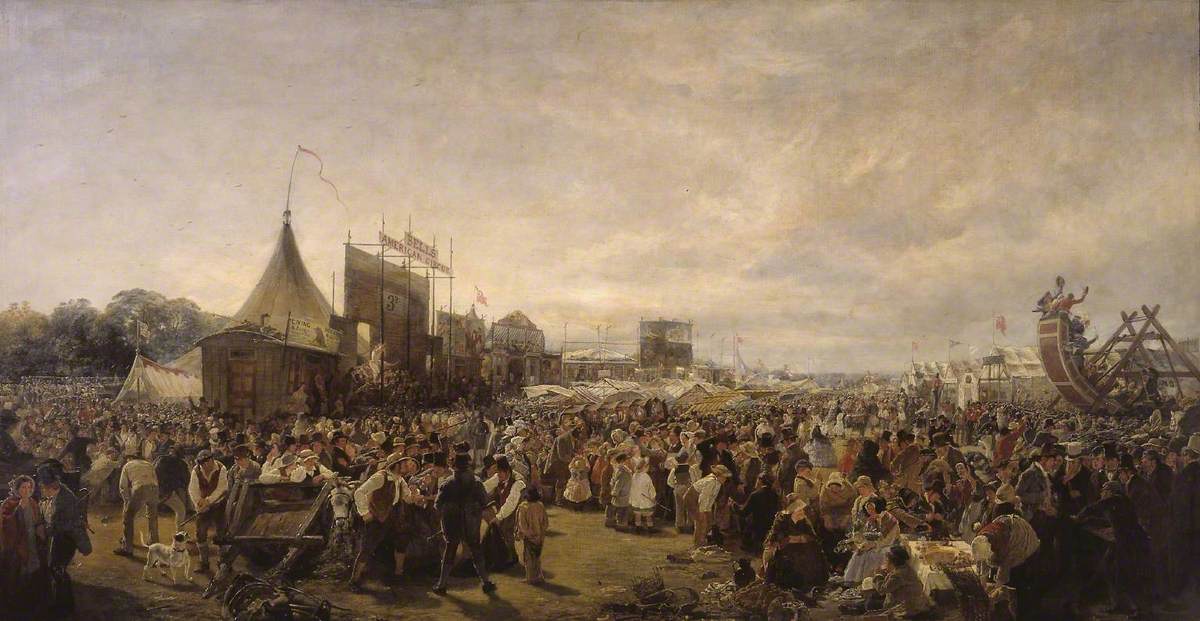
Victorian and Edwardian English-language literature — shaped by the high age of walking-stick and gentleman’s-cane culture — uses the walking stick repeatedly as character marker, plot device, and cultural signal. The nineteenth-century English novel provides extensive evidence of how the walking stick functioned in public life during the period when it was a near-universal accessory across the male middle and upper classes.
This page covers the walking stick’s literary presence. For broader figure coverage, see Famous stick-carrying figures and Famous shillelagh owners. For the cane cultural-historical context, see The walking cane.
Sherlock Holmes — the canonical case
Arthur Conan Doyle’s Sherlock Holmes (running from the 1887 A Study in Scarlet through 1927) provides the most developed literary walking-stick register in nineteenth-century English-language fiction.
Walking-stick deductive observation — Holmes deduces character information from stick examination. The pattern appears across multiple stories; one canonical instance is the opening of The Hound of the Baskervilles (1901), where Holmes and Watson dissect a forgotten visitor’s stick to infer profession, age, and habits.
The bartitsu connection — In The Adventure of the Empty House (1903), Doyle has Holmes practise “baritsu” — a fictionalised version of E.W. Barton-Wright’s bartitsu martial-arts system, which incorporated French canne de combat technique. See Canne de combat for the broader French stick-fighting context, and Single-stick: the lost English martial art for the parallel English tradition.
Watson’s walking-stick characterisation — Doyle uses Watson’s stick to flesh out the bourgeois military-officer register that grounds the partnership.
Client introductions through walking sticks — Many clients are introduced through their canes; the cane signals social position, profession, and circumstance before they speak.
For modern Holmes-and-walking-stick scholarship, see the Sherlock Holmes academic and fan publication literature.
Charles Dickens — Victorian working register
Dickens’s novel cycle (1836-1870) is the most extensive literary catalogue of Victorian walking-stick character work:
- Pickwick Papers — Mr Pickwick’s stick defines the bourgeois gentleman.
- David Copperfield — Murdstone’s intimidating stick contrasts with Peggotty’s working piece.
- Bleak House — Tulkinghorn’s professional cane signals legal authority.
- Hard Times — working-class canes contrast with bourgeois ones.
- A Christmas Carol — Scrooge’s stick transforms with his character across the night.
Dickens documents Victorian working register more thoroughly than any other single nineteenth-century English-language author. His stick descriptions function as compressed character sketches.
Oscar Wilde — aesthetic register
Wilde’s aesthetic-movement work incorporates the stick as decorative-aesthetic accessory rather than utilitarian object:
- The Picture of Dorian Gray — Lord Henry Wotton’s stick defines the aesthetic-decadent register.
- The Importance of Being Earnest — Algernon’s cane work provides comedic punctuation.
- Wilde’s personal carrying — Wilde’s silver-headed cane was part of his public-aesthetic persona; surviving photographs document the routine.
Wilde’s treatment differs from Dickens’s working-realist register. Wildean canes are performative objects; Dickensian sticks are tools.
Other Victorian and Edwardian authors
- Anthony Trollope — Barchester clerical and professional cane work
- George Eliot — Middlemarch and broader work
- Thomas Hardy — Wessex novels documenting rural English walking-stick tradition; Far from the Madding Crowd is particularly stick-aware
- Robert Louis Stevenson — Treasure Island’s Long John Silver and his crutch is the most visible single Victorian-era stick characterisation in popular memory
- Joseph Conrad — Edwardian-period nautical and colonial canes
- Henry James — transatlantic Anglo-American cane culture
- Rudyard Kipling — Anglo-Indian regimental sticks
- George Bernard Shaw — Edwardian stage cane work
American Victorian-era literature
- Mark Twain — Huckleberry Finn and broader American working-stick register
- Herman Melville — Moby Dick’s Ahab and the broader American working tradition
- Nathaniel Hawthorne — American Renaissance work
- Edgar Allan Poe — Gothic-fiction stick characterisation, particularly in detective tales
Irish Victorian and Edwardian literature
- James Joyce — Ulysses (1922; Edwardian-period setting) documents Edwardian Dublin walking-stick culture; Stephen Dedalus’s ashplant stick is a recurring character signifier
- W.B. Yeats — Yeats’s poetry includes walking-stick and blackthorn-stick references; his personal carrying connects literary and biographical register
- George Moore — Edwardian Irish novels
- Sean O’Casey — Dublin trilogy plays document working-class walking-stick character
Literary functions of the walking stick
Across the canon, the walking stick performs several recurring functions:
Character marker — first-introduction descriptions establish character through the stick.
Plot device — sticks feature in plot moments: Holmes’s deductions, Dickensian violence and threat, Treasure Island’s crutch.
Cultural signal — the stick signals social position, profession, and circumstance before dialogue does.
Age and dignity marker — elder characters carry sticks as dignity-register signifiers.
Moral register — good and bad characters carry visibly different sticks (Dickens does this constantly).
Masculine register — Victorian masculinity is signalled by stick selection and use.
Post-Victorian literary continuity
Twentieth-century English-language literature carries some of this register forward:
- P.G. Wodehouse — Jeeves stories preserve Edwardian-survival cane work
- Agatha Christie — detective fiction uses canes as clues and characterisation
- John Steinbeck — American Depression-era fiction with working stick register
- William Faulkner — Southern fiction reflecting the American Southern stick tradition
The literary register declined sharply in post-1960s English-language fiction as the cultural practice of stick-carrying declined.
A note on coverage
This page is a selection from a substantial body of nineteenth- and early-twentieth-century English-language literature. Expansion would benefit from contributions from Victorian-literature scholars and walking-stick-and-literature specialists.
For broader walking-stick cultural-historical literature, see Klever (1984) and the walking-stick collector-publication tradition.
Sources & further reading
- Arthur Conan Doyle — Complete Sherlock Holmes (online archive), Sherlockian.net
- Charles Dickens — Complete Works (Project Gutenberg), Project Gutenberg
- Oscar Wilde — Complete Works (Project Gutenberg), Project Gutenberg
- Tony Wolf — Bartitsu and the Holmes Connection, Bartitsu Society
Related reading
- historyFamous stick-carrying figures
Beyond the shillelagh-owner roster — political leaders, military commanders, religious figures, literary characters, and broader cultural icons whose carrying sticks became part of their public identity.
- historyFamous shillelagh owners in history
The famous-shillelagh-owner stories turn out to be mostly unconfirmed: a mascot's costume prop, an anecdote about Kennedy that the journal cannot verify, and a regimental custom.
- historyCanne de Combat — French Stick Fighting, Explained
The French martial art of fighting with a chestnut walking stick — born in early-nineteenth-century Paris, codified by Maurice Larribeau and others, and surviving today as a recognised competitive sport alongside savate.
- historySingle-stick: the lost English martial art
The English fencing-stick tradition that flourished in the eighteenth and nineteenth centuries, was central to military and public-school physical education, and substantially disappeared by 1914.