Germany
The German stick world — the substantial European weapons-and-walking-stick craft tradition centred on cornel and beech, the Bavarian and Alpine working register, and the modern HEMA stick-and-staff revival.
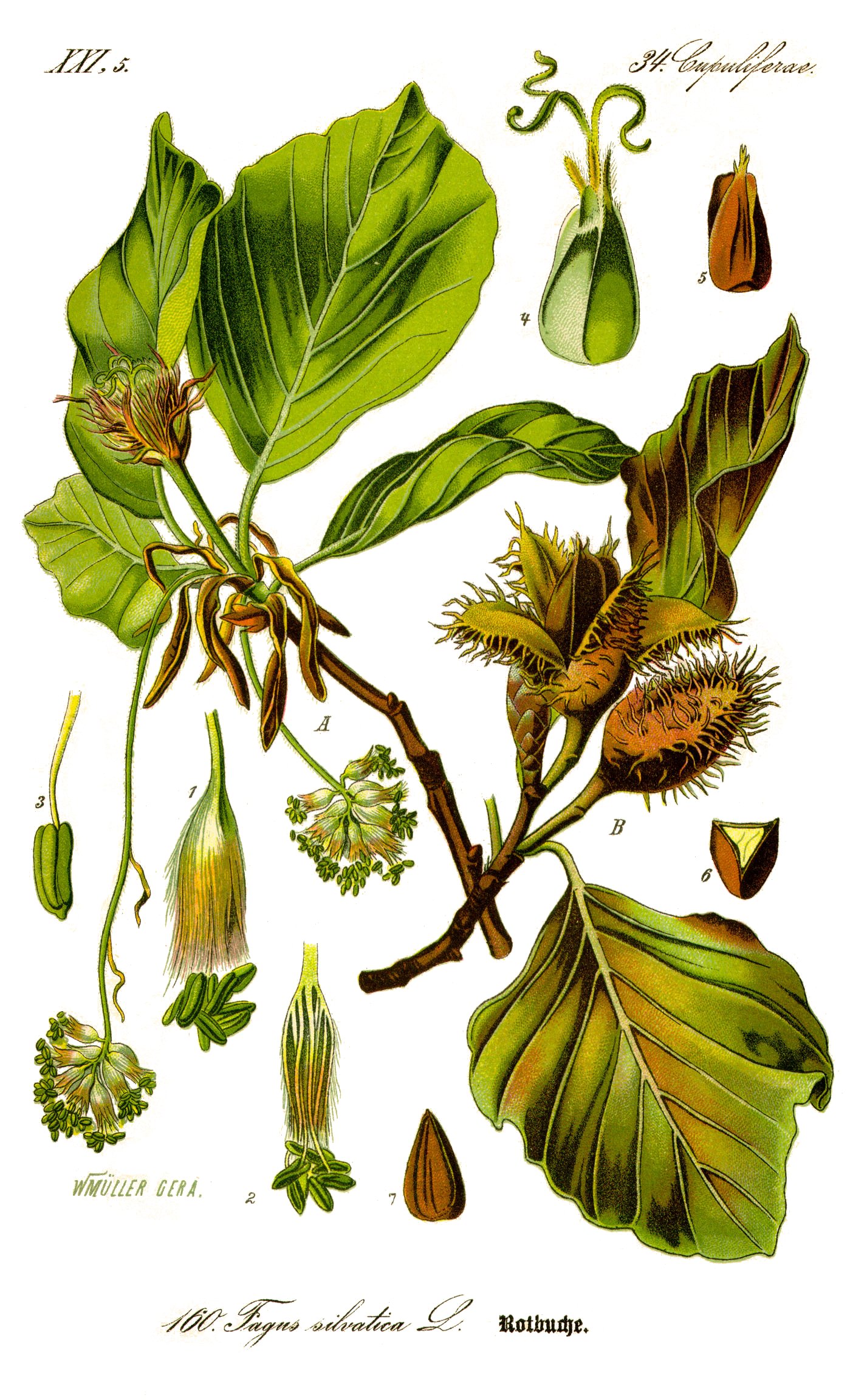
The German walking-stick tradition occupies a distinctive position within the broader European stick world. The substantial Continental craft tradition centres on cornel (Cornus mas) — one of Europe’s hardest and densest working timbers, used historically for medieval weapons hafts and modern walking sticks — and on beech as the Continental working “everyman” wood. The German tradition’s contribution to global stick culture is substantial in materials craft, less internationally visible than the French canne de combat or English single-stick martial-arts traditions.
This page is the German-speaking-Central-Europe regional cluster, covering Germany, Austria, and German-speaking Switzerland. For the cornel/dogwood material context, see Other woods of note. For comparative European martial-arts stick traditions, see Canne de combat and Single-stick: the lost English martial art.
Quick reference
| Canonical forms | Wanderstock (walking stick); Bergstock (mountain stick); Spazierstock (urban cane) |
| Canonical working materials | Cornel (hardest); beech (working); chestnut, oak; substantial fruit-wood tradition |
| Regional centres | Bavarian Alps; Austrian Alps; Swarzwald (Black Forest); broader German-speaking Central Europe |
| Cultural register | Substantial outdoor-walking culture; Wandervogel and broader European hiking tradition |
| Modern community | Active rural-craft community; substantial HEMA stick-and-staff revival activity |
The cornel tradition
Cornel (Cornus mas, also called cornelian cherry — distinct from American dogwood Cornus florida) is the substantial German and broader European weapons-and-walking-stick material:
Properties:
- Density: ~800-900 kg/m³ — one of the densest European temperate timbers
- Janka hardness: ~9,000+ N — exceptionally hard, exceeding even ironwood and hop hornbeam
- Working dimension: limited (cornel rarely reaches 4-5 cm trunk diameter)
- Colour: pale tan-to-pinkish with attractive figure
Historical use:
- Roman pila (javelin shafts) — cornel was the canonical Roman polearm-haft material
- Medieval polearm shafts — substantial European weapons-tradition use
- European martial-arts stick tradition — cornel as the canonical hard-wood for historical stick-fighting forms
- Bavarian and Austrian shepherd-stick tradition — substantial historical use in Alpine pastoral economies
Modern use:
- Show-grade walking sticks — substantial German-tradition cornel pieces
- Historical reproduction for HEMA practice
- Decorative turnery — substantial Continental tradition
- Walking-cane shafts — for fine pieces in the Continental tradition
For the broader cornel-and-dogwood context, see Other woods of note.
The Wanderstock tradition
The German Wanderstock (walking stick) tradition is substantially embedded in the broader Central European outdoor-walking culture. The Wandervogel movement (the substantial early-twentieth-century German youth hiking tradition) and the broader European hiking culture (Alpine Club traditions, Volkssport walking, Volksmarsch movement) sustained substantial demand for working walking sticks through the twentieth century.
Wanderstock characteristics:
- Working sticks for serious distance walking and mountain use
- Substantial Bergstock subtradition — heavier, shorter, designed for serious Alpine mountain use
- Decorative carving traditions — substantial Bavarian and Austrian carving tradition adds figural and ornamental work to working sticks
- Vacation-pin tradition (Wandernadeln) — small metal pins given at mountain refuges and walking destinations, attached to the walking-stick shaft; substantial commemorative tradition
Regional variations:
- Bavarian Alps — substantial Wanderstock and Bergstock tradition
- Austrian Alps — closely related; similar working register
- Schwarzwald (Black Forest) — substantial Wanderstock tradition with regional carving conventions
- German hill country — modest working tradition throughout German upland regions
Urban-cane tradition
Beyond the Wanderstock outdoor-walking tradition, German urban centres maintained substantial Spazierstock (urban walking cane) tradition through the nineteenth and early twentieth centuries:
- Berlin, Munich, Hamburg, Vienna — substantial urban gentleman’s-cane culture
- Continental cane convention — close to French Parisian gentleman’s-cane register
- Substantial German cane-maker tradition — the Fritz handle name itself derives from German makers (see The walking cane)
- Substantial museum collections — Berlin and Vienna collections hold substantial period material
The German urban-cane tradition declined through the twentieth century along with the broader European urban-cane culture, but substantial collector and antique-trade activity continues.
The HEMA revival
The modern Historical European Martial Arts (HEMA) movement has produced substantial revival of historical European stick-and-staff combat forms, with substantial German-language community contribution:
- Stangenmeisterung (staff-mastery) revival — reconstruction of historical German staff-fighting forms
- Single-stick revival in close collaboration with English-language HEMA single-stick revival (see Single-stick: the lost English martial art)
- Cornel and beech working for HEMA practice sticks
- Substantial German-language HEMA publication tradition — substantial scholarly and practical material in German
The HEMA German-speaking community is substantial and produces substantial new working stick demand for historical-reproduction practice.
Regional makers
Modern German-speaking working stick makers are a modest active community:
- Bavarian Wanderstock makers — substantial regional working tradition
- Black Forest carving tradition — substantial decorative-carving working tradition
- Vienna and Salzburg fine-cane makers — small but consistent restoration and reproduction community
- HEMA-affiliated suppliers — specialty suppliers for the HEMA German-language community
- Swiss Alpine working makers — small but consistent rural tradition
The journal does not currently maintain a recommended-makers list for German tradition. German agricultural-show and craft-fair circuits provide working-maker resources; the broader European HEMA community provides specialty-supplier resources.
Materials
The German stick-tradition working-materials register includes:
Cornel (Cornus mas) — the substantial hardness leader; canonical European weapons-and-presentation material
European beech (Fagus sylvatica) — substantial Continental working timber; the German rural-craft “everyman” wood. See Other woods of note for broader beech context.
Sweet chestnut (Castanea sativa) — substantial Continental working tradition; see Chestnut
Oak (Quercus robur, Q. petraea) — substantial central European oak working tradition
Alpine fruit-woods — substantial cherry, apple, pear, and other fruit-wood working tradition
Yew — limited working tradition (some Alpine yew populations); substantial historical European bowyer use
Cultural-historical context
The German stick tradition exists within several substantial cultural-historical contexts:
Alpine pastoral economy — substantial Bavarian, Austrian, and Swiss Alpine shepherding tradition supports substantial working stick supply chain across centuries
Outdoor-walking culture — substantial twentieth-century Wandervogel and broader European hiking tradition substantially drove Wanderstock demand
Continental European martial-arts tradition — substantial historical staff-fighting and stick-fighting register; substantially revived through modern HEMA activity
Carving and decorative-craft tradition — substantial Bavarian and Black Forest carving tradition produces substantial decorative stick character
Connections to other traditions
The German stick tradition connects to:
French tradition — substantial cross-Alpine cultural exchange; see France Austrian and Swiss tradition — substantially shared cultural continuity; included in this cluster Italian tradition — substantial Alpine cultural exchange; shared cornel-working register Scandinavian tradition — substantial European-tradition cross-cultural connection British tradition — substantial cane-tradition cultural exchange particularly in nineteenth-century urban contexts; substantial modern HEMA cross-tradition collaboration. See Regional stick styles of Britain.
Reading order
For a reader new to the German stick tradition:
- Other woods of note — particularly the cornel/dogwood section for the canonical material
- Chestnut — the Continental working material context
- The walking cane — the broader cane-tradition context including the German-origin Fritz handle
- France — comparable Continental working tradition
- Single-stick: the lost English martial art — the HEMA cross-tradition revival context
A note on coverage
The German stick tradition is substantially documented in German-language sources (substantial Volkskunde scholarship, substantial HEMA publication tradition) and in international cane-collector literature. The journal’s current English-language treatment is partial; substantial expansion would benefit from contributions from German-language tradition-keepers, Bavarian and Alpine working makers, and German-language HEMA practitioners.
Sources & further reading
- Cornus mas L. — Plants of the World Online, Plants of the World Online, Royal Botanic Gardens, Kew
- Historical European Martial Arts (HEMA) Alliance — European stick traditions, HEMA Alliance
- Klever, U. — Walking Sticks: Accessory, Tool, and Symbol (1984), Schiffer / WorldCat
- Deutsche Volkskunde — German folk-craft traditions, Deutsche Gesellschaft für Volkskunde
Related reading
- woodsOther woods of note
Crab apple, cherry, beech, willow, dogwood, elder, and yew — the second-tier stick woods that supplement rather than replace the canonical hardwoods.
- historySingle-stick: the lost English martial art
The English fencing-stick tradition that flourished in the eighteenth and nineteenth centuries, was central to military and public-school physical education, and substantially disappeared by 1914.
- historyCanne de Combat — French Stick Fighting, Explained
The French martial art of fighting with a chestnut walking stick — born in early-nineteenth-century Paris, codified by Maurice Larribeau and others, and surviving today as a recognised competitive sport alongside savate.
- historyRegional stick styles of Britain
How to identify a British walking stick by its English, Welsh, or Scottish regional origin — the Lake District, Sussex/Kent, Welsh hills, Scottish Highlands, and the broader four-nation tradition.